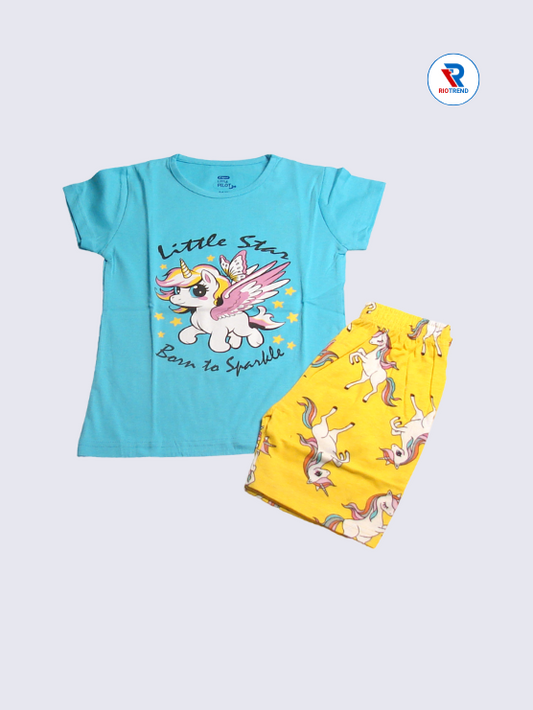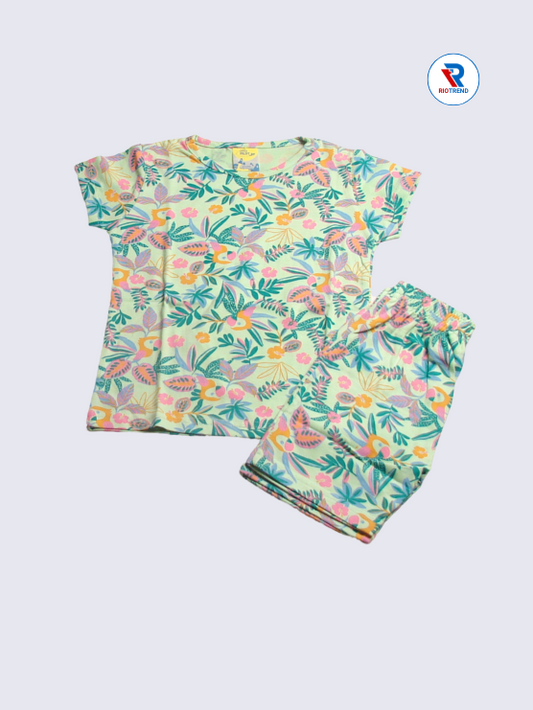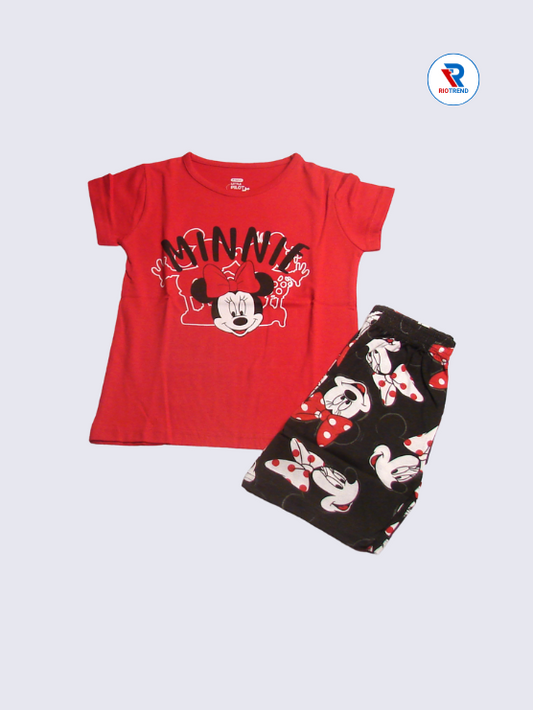

If you have shopped online in India even once during a festive sale, you have seen them everywhere — "Buy 2 Get 1 Free," "Combo Pack at ₹999 instead of ₹1,499," "Value Pack — Save 30%." These bundle deals are one of the most common pricing strategies used across e-commerce platforms, and honestly, they can be a genuinely smart way to save money. But here's the catch — they can also be one of the sneakiest ways to make you spend more than you intended, on things you didn't actually need.
As an online shopper, it's easy to get pulled in by the word "SAVE" written in bold red letters. But savings only count as real savings if you were going to buy that product anyway, at that quantity, and use it before it expires or goes out of style.
In this blog post, we are going to break down exactly where bundle deals genuinely save you money, where they quietly cost you more, and how you — as a smart online buyer — can tell the difference before you click "Add to Cart." This is a long, detailed guide, so grab a cup of chai and let's get into it.
What Exactly Is a Bundle Deal?
A bundle deal (also called a combo offer, value pack, or package deal) is when two or more products are sold together at a single price that is supposedly lower than buying each item separately. It could be:
- Two products of the same type (e.g., 2 shampoo bottles for the price of 1.5)
- Complementary products bundled together (e.g., a phone case + screen guard + charger)
- A "starter kit" or "combo kit" (e.g., skincare combo with cleanser, toner, and moisturizer)
- Subscription bundles (e.g., 3-month plan priced lower than 3 separate monthly payments)
- Mixed-category bundles (e.g., kitchen combo with a mixer, storage jars, and a cookbook)
The core idea behind bundling is simple economics — it increases the average order value (AOV) for the seller while giving the buyer a perception of getting "more for less." Sometimes that perception is completely true. Sometimes it isn't. Your job as a shopper is to figure out which one you're looking at.
Why Do Sellers Love Bundle Pricing So Much?
Before we talk about savings, it helps to understand the psychology and business logic behind bundle pricing, because that's exactly what helps you make smarter decisions.
- Higher perceived value – A bundle "feels" more valuable even if the actual discount is small.
- Inventory movement – Bundles are a great way to clear slow-moving stock by pairing it with popular items.
-
Anchoring effect – When you see a struck-off price like
₹2,499₹1,299, your brain anchors to the higher number and the deal feels bigger than it may be. - Increased basket size – Even if the seller offers a genuine discount, they still profit more overall because you're buying more units per transaction.
- Reduced decision fatigue – Instead of choosing one product, you're offered a "curated set," which feels easier and safer to buy.
None of this is inherently bad — it's simply retail psychology. But understanding it puts you, the buyer, back in control.
Where Bundle Deals Genuinely Save You Money
Let's start with the good news. There are several situations where bundle deals are a genuinely smart financial decision for online shoppers in India.
1. Everyday Consumables You Already Use Regularly
If it's a product you use every single month anyway — soaps, shampoos, detergents, coffee, tea, skincare basics, grooming essentials — buying them in a bundle almost always works in your favor. You were going to repurchase it regardless, so getting a lower per-unit price simply reduces your monthly spending without changing your habits at all.
Example: If a bar of soap costs ₹45 individually but a pack of 6 costs ₹220 (₹36.6 per unit), and you use one bar every 10 days anyway, this is a straightforward win. There's no waste, no behavior change, just a lower cost per use.
2. Products With a Long Shelf Life
Bundles work brilliantly when the product doesn't expire quickly or lose relevance over time — think stationery, kitchen tools, storage containers, batteries, or electronic accessories like cables and adapters. Since there's no urgency to "use it before it goes bad," buying in bulk through a bundle is close to risk-free.
3. Complementary Products That Naturally Go Together
Sometimes a bundle bringing together genuinely complementary items — like a mobile phone with a case and tempered glass, or a laptop bag with a mouse and a cleaning kit — saves you the hassle and cost of buying each separately from different sellers, along with separate delivery charges.
Real Money-Saving Check: Add up the standalone price of each item in the bundle (as sold individually on the same platform) and compare it to the bundle price. If the difference is 15–30% or more, and you needed all the items anyway, it is a solid deal.
4. Subscription and Service Bundles
For digital or recurring services — OTT plans, cloud storage, meal kits, gym memberships — annual or multi-month bundles are almost always cheaper per unit of time than monthly billing. If you're confident you'll use the service consistently for the full period, this is one of the safest bundle categories to commit to.
5. Festive and Seasonal Combo Packs (When Planned in Advance)
During Diwali, Holi, wedding season, or back-to-school periods, combo packs on gifting items, dry fruits, apparel, or décor can offer real savings — especially if you were already planning to buy multiple items for gifting or personal use. The key word here is "planned." If you already had a shopping list, a well-timed combo can knock a genuine chunk off your total bill.
6. Bulk Buying for Households or Groups
If you're shopping for a joint family, hostel, PG, or office pantry, bundles of grocery staples, cleaning supplies, or stationery can create real economies of scale. The larger the household, the faster the bundle gets consumed, and the lower the effective risk of waste.
Where Bundle Deals Fall Short (And Quietly Cost You More)
Now let's talk about the flip side — because this is where most online shoppers unknowingly lose money.
1. The "Inflated MRP" Trick
One of the most common tactics is showing an inflated "original price" next to the bundle price to make the discount look bigger than it really is. For example, a bundle might show ₹3,000 ₹1,499 (50% off), but if you check the individual prices of each product elsewhere on the same platform, the real combined price might only be ₹1,700. The "50% off" is calculated against an artificially high number, not the actual market price.
How to protect yourself: Always open each product individually (in a new tab) and check its standalone selling price — not the MRP — before trusting the bundle's advertised discount percentage.
2. You End Up Buying Things You Don't Need
This is the single biggest reason bundle deals fail to save money. A skincare combo might include a face wash you love, paired with a serum you'll never use because it doesn't suit your skin type. You end up paying for "filler" products just to unlock the discount on the one item you actually wanted.
Ask yourself: "Would I buy each of these items separately, at their individual price, if they weren't bundled together?" If the honest answer is no for even one item, the bundle isn't really saving you money — it's making you spend on things you didn't plan for.
3. Perishable or Expiry-Sensitive Products
Bundles involving cosmetics, skincare, food items, or medicines can backfire badly if the quantity is more than you can reasonably use before expiry. A 3-pack of face cream might look like a bargain, but if the product has a 12-month shelf life after opening and you only finish one jar in 8 months, you're throwing away real money along with the unused stock.
4. Trend and Size-Sensitive Items
Clothing, footwear, and accessory bundles are risky because sizing, fit, and trends change. Buying a 3-piece clothing combo to save money only works out if all three pieces genuinely fit and suit you. If even one doesn't work, your "discount" evaporates the moment you have to discard or give away an item you can't use or return individually.
5. Reduced Flexibility on Returns and Exchanges
Many bundle deals come with modified return policies — either the entire bundle must be returned together (even if you're happy with 2 out of 3 items), or bundled items are non-returnable altogether. This lack of flexibility can trap you with a product you don't want, with no way to recover that portion of your money.
Always check: Read the return and exchange policy specifically for bundle or combo listings — it is often different (and stricter) than the policy for standalone products.
6. Storage and Space Constraints
This is an underrated cost. Bulk bundles of large items — cleaning supplies, packaged food, home décor — require storage space. If you live in a smaller home or apartment, cluttered storage isn't just inconvenient, it can lead to items getting damaged, misplaced, or forgotten until they expire or go out of use entirely.
7. Lower Per-Unit Quality in "Value" Bundles
Some sellers create bundle-exclusive product variants that are slightly downgraded in quality, packaging, or quantity per unit compared to their standalone counterparts, specifically to protect their margins on the discounted bundle price. Always compare the quantity and specifications, not just the price, of items inside a bundle versus their standalone listing.
8. Anchoring Bias Leading to Impulse Purchases
Because bundles are engineered to look like an unmissable deal, they are a common trigger for impulse buying. You may go shopping for one item and walk away having spent 3x your budget because the bundle "felt" like too good a deal to pass up — even though you didn't need the additional items at all.
A Practical Checklist Before You Buy Any Bundle Deal
Use this checklist every time you're tempted by a combo offer, value pack, or bundle pricing online:
- Do I need every single item in this bundle? Not "would I like it," but "do I actually need it."
- What is the real standalone price of each item, right now, on this same platform?
- Is the discount percentage calculated against MRP or against actual selling price?
- Can I realistically use up the quantity before it expires, goes out of style, or becomes irrelevant?
- What is the return and exchange policy specific to this bundle?
- Do I have the storage space to hold this quantity comfortably?
- Is the per-unit quality and quantity the same as the standalone product, or has it been reduced?
- Am I buying this because I planned to, or because the deal created urgency I didn't have five minutes ago?
If you can answer all eight questions confidently in favor of the purchase, the bundle deal is very likely a genuine saving. If two or more answers make you pause, it's worth reconsidering.
Smart Bundle Shopping Habits for Indian Online Buyers
A few habits that can help you consistently make the most of bundle deals without falling into common traps:
- Maintain a running shopping list of items you regularly repurchase (toiletries, groceries, stationery). When a bundle deal matches your list, it's an easy win. When it doesn't, skip it — no matter how attractive the discount looks.
- Compare per-unit price, not just total price. A bundle priced at ₹899 for 5 units versus a standalone price of ₹190 per unit means you're paying ₹179.8 per unit — always do this quick math before deciding.
- Wait 24 hours before buying a large bundle you weren't already planning to purchase. Genuine deals during sales usually run for days, not minutes, and this cooling-off period helps filter out impulse decisions.
- Screenshot or note down individual prices of items before they get bundled during a sale, so you can verify the discount is real.
- Check reviews specifically for the bundle listing, not just the individual product, since some sellers use separate listings for combos with different quality control.
- Track your bundle purchases for a month — did you finish using everything, or is half of it sitting unused? This single habit will teach you more about your own bundle-buying patterns than any article ever could.
Final Thoughts
Bundle deals, value packs, and combo offers are not good or bad by default — they are simply a pricing structure. Whether they save you money or quietly drain your wallet depends entirely on how closely they match what you actually need, use, and can store.
The smartest online shoppers don't avoid bundle deals altogether, and they don't fall for every "SAVE 40%" banner either. They pause, do the quick math, check the return policy, and ask one simple question: "Would I buy every single item in this bundle on its own, at this price?"
If the answer is yes — go ahead, you've found a genuine deal. If the answer is no, you now know exactly where that "saving" was quietly slipping out of your pocket. The next time you see a combo offer while shopping online, you'll be equipped to look past the bold red discount tag and make a decision based on real value — not just clever pricing psychology.
Bundle Deals FAQ's
Are bundle deals always a marketing gimmick?
No. Many bundle deals offer real, calculable savings — particularly for everyday consumables, non-perishable goods, and subscription services. The key is verifying the discount independently rather than trusting the advertised percentage blindly.
How do I know if a "combo discount" is real or inflated?
Compare the bundle price against the sum of each item's current standalone selling price on the same platform — not the crossed-out MRP, which is often exaggerated.
Is it better to buy bundles only during sales like festive seasons?
Not necessarily. Everyday consumable bundles can offer consistent savings year-round. Festive sales are more relevant for seasonal or gifting-related bundles, where timing and planning matter more.
What should I do if I only need one item from a bundle?
Calculate whether the bundle price is still cheaper than buying that single item standalone. If yes, and you're comfortable letting go of or gifting the other items, it may still work in your favor. If not, buy the single item separately instead.
Do bundle deals affect return policies?
Often, yes. Some platforms require the entire bundle to be returned together, and some combo-exclusive items are marked non-returnable. Always check this before purchasing.