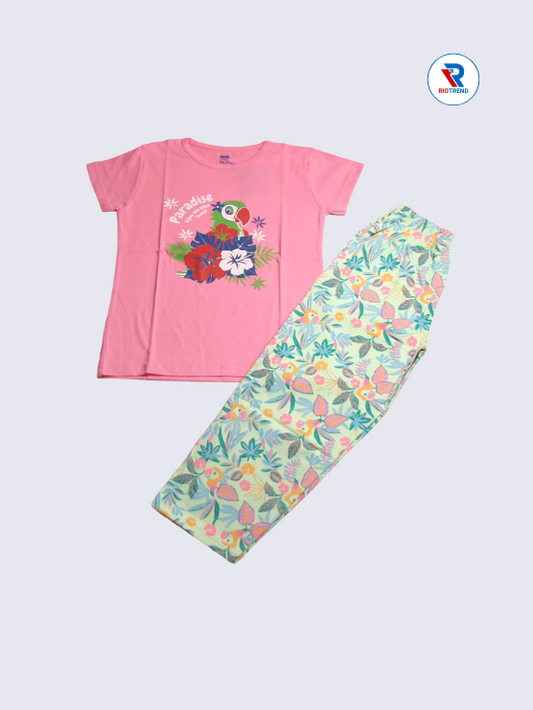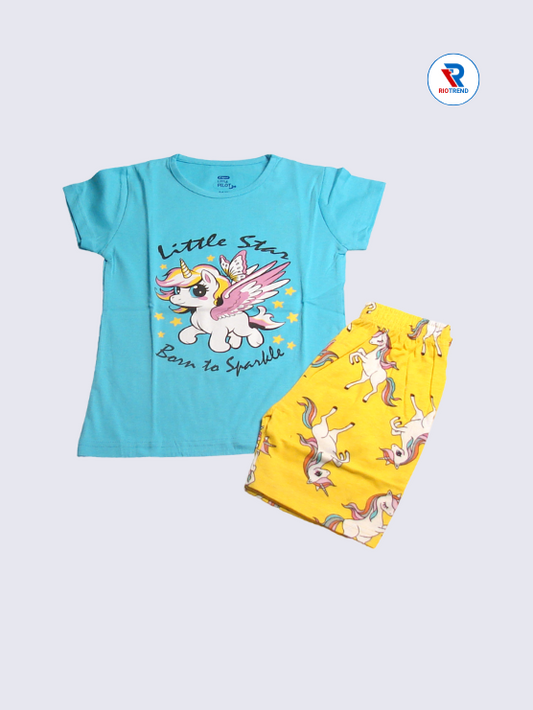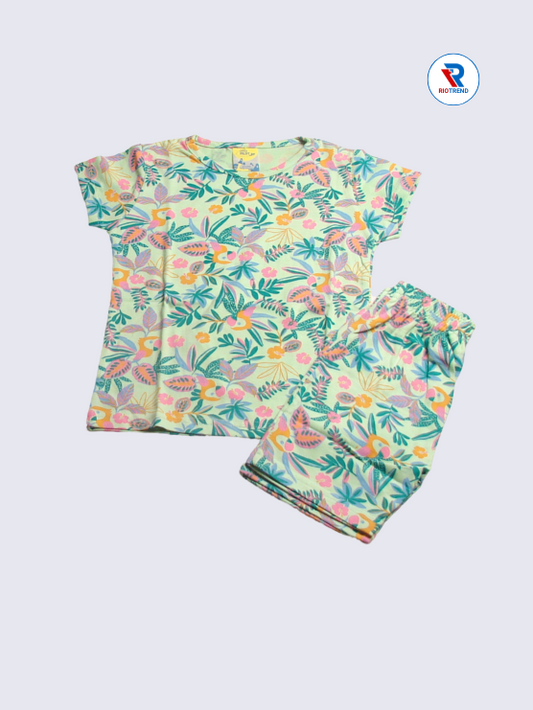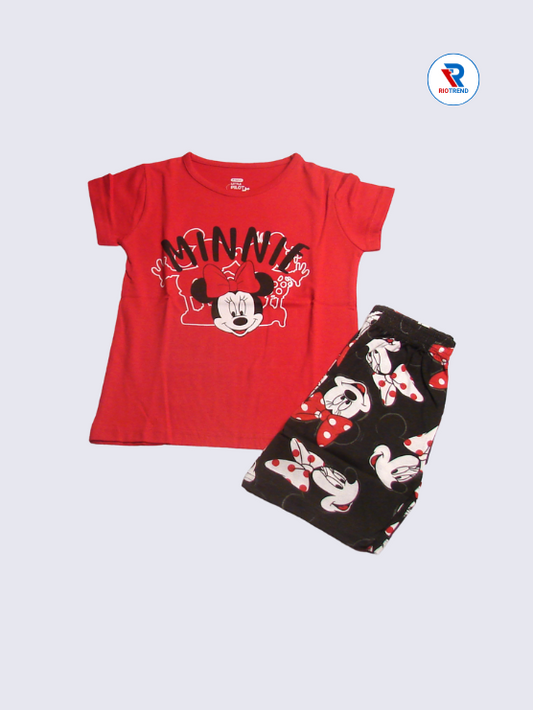

Have you ever spent hours browsing through an online store, found the perfect kurta or smartphone, got distracted, and then couldn't find it again? You're not alone. Indian online shoppers spend an average of 30-45 minutes per shopping session, often revisiting the same products multiple times before making a purchase decision.
Here's the problem: Without a clear way to track what you've looked at, you end up wasting precious time scrolling through endless pages, trying to remember that "blue running shoes under ₹3,000" or "that laptop with 16GB RAM." This frustration often leads to either buying the wrong product or abandoning your purchase altogether.
The solution? Previously viewed products – a simple yet powerful feature that every smart online shopper should be using. In this comprehensive guide, you'll discover how this often-overlooked tool can transform your online shopping experience, save you hours of browsing time, and help you make better purchase decisions while keeping more money in your wallet.
What Are Previously Viewed Products?
Previously viewed products are essentially your personal shopping history record on e-commerce websites. This feature automatically tracks and displays all the items you've clicked on, browsed, or examined during your shopping sessions. Think of it as a digital bookmark system that remembers every product you've shown interest in, without you having to manually save anything.
When you visit an online store and click on a product – whether it's ethnic wear, electronics, home appliances, or groceries – the website's system records this interaction. These records are then compiled into an easily accessible list, usually labeled as "Recently Viewed," "Your Browsing History," or "Previously Viewed Products."
This feature works across devices in most cases, meaning the saree you viewed on your laptop during lunch break will also appear in your browsing history when you open the same shopping app on your phone during your evening commute. The technology behind this is quite simple yet effective: websites use cookies and your account login information to sync this data across all your devices.
For Indian shoppers who often compare multiple products before making a purchase decision – whether it's comparing different brands of pressure cookers or finding the best deal on festival season offers – this feature becomes invaluable. It eliminates the anxiety of losing track of products you liked and creates a personalized shopping experience tailored to your interests.
Unlike your shopping cart or Wishlist where you actively save items, previously viewed products work passively in the background, capturing everything you look at without requiring any action from you.
How Previously Viewed Products Work Behind the Scenes
Understanding the mechanism behind previously viewed products helps you use this feature more effectively. When you browse an online shopping site, several things happen simultaneously to create your viewing history.
The Tracking Process: The moment you click on a product listing, the website's server records this interaction. It captures specific information: the product ID, the timestamp of when you viewed it, and your user identification (either through your login credentials or browser cookies). This data is stored in the website's database and associated with your account or device.
Cookie Technology: For users who aren't logged in, websites use browser cookies – small text files stored on your device – to track your browsing history. These cookies remember your viewing patterns for a certain period, typically 30-90 days. However, if you clear your browser cookies or use incognito mode, this history gets erased.
Account-Based Tracking: When you're logged into your account, the tracking becomes more sophisticated and reliable. Your viewing history is stored on the company's servers and linked to your profile. This means you can access your previously viewed products from any device where you log in – your smartphone, tablet, laptop, or even a friend's computer.
Real-Time Updates: The system updates in real-time or near-real-time. As soon as you view a product, it typically appears in your viewing history within seconds. Most platforms show your most recently viewed items first, making it easy to quickly return to products you just looked at.
Data Organization: The system organizes your browsing history chronologically, with the most recent items appearing first. Some advanced platforms also categorize your viewed products by type – like separating your viewed electronics from your viewed clothing – making navigation even easier.
Privacy Considerations: Reputable e-commerce platforms in India follow data protection guidelines and allow you to delete your browsing history if you wish. This gives you control over your privacy while still enjoying the convenience of this feature when you want it.
The beauty of this system is its simplicity from a user perspective. You don't need to understand the technical details to benefit from it. You simply browse naturally, and the system does all the work of remembering for you.
Types of Previously Viewed Products Features
Different online shopping platforms offer variations of the previously viewed products feature, each with its own advantages. Understanding these types helps you maximize the benefit from whichever platform you're using.
Basic Browsing History
This is the most common type found across most e-commerce websites. It displays a simple chronological list of products you've clicked on, typically showing 20-50 most recent items. You'll usually find this section on the homepage or in your account area under names like "Recently Viewed" or "Continue Shopping."
The basic version shows product images, names, and current prices. It's straightforward and effective for quick reference, especially when you've viewed only a handful of products in your recent session. This type is perfect for shoppers who make relatively quick purchase decisions and don't need extensive product comparison features.
Advanced Interactive History
Some platforms take this feature further by adding interactive elements. These versions allow you to sort your viewing history by category, date, or price range. You might see filters that let you separate electronics from fashion items, or sort by "viewed today" versus "viewed this week."
This type often includes additional information like price change notifications (if the product you viewed has gone on sale), stock availability updates, and even similar product recommendations based on what you've viewed. For Indian shoppers during sale seasons like Diwali or Republic Day sales, this feature becomes particularly valuable as you can quickly see if any of your viewed products have received price cuts.
Cross-Platform Synchronized History
This sophisticated version syncs your browsing history across all devices and platforms. Whether you browse on the mobile app, desktop website, or even through voice shopping assistants, all your viewed products appear in one unified history.
This is especially useful for Indian shoppers who often research products on their computers during work hours but make actual purchases on their phones during commute time. The seamless experience means you never lose track of products, regardless of which device you used to find them. Many major platforms now offer this feature as standard, recognizing that modern shoppers use multiple devices throughout their purchase journey.
Why Previously Viewed Products Matter for Indian Online Shoppers
In the context of Indian online shopping behavior, previously viewed products serve several critical purposes that directly impact your time, money, and overall shopping satisfaction.
Time Efficiency in a Busy Lifestyle: Indian shoppers, especially working professionals and homemakers, juggle multiple responsibilities. You might be comparing pressure cooker prices while cooking dinner, or researching laptop specifications during your office lunch break. Previously viewed products eliminate the need to start from scratch every time you return to shopping. Instead of spending 20 minutes trying to relocate that perfect cotton bedsheet set, you can access it in seconds from your viewing history.
Smart Price Comparison: Indian consumers are known for being value-conscious shoppers who compare prices across multiple products before buying. When you're comparing three different mixer grinders or five different smartphones, keeping track mentally becomes impossible. Your viewing history creates a natural comparison list, allowing you to revisit each option and evaluate them side by side. This leads to better purchase decisions and ensures you get the best value for your money.
Reducing Decision Fatigue: The average Indian e-commerce platform lists millions of products. This abundance of choice, while beneficial, can lead to decision fatigue. Previously viewed products narrow down your focus to items you've already screened, reducing the overwhelming feeling of having too many options. It's like having a shortlist that you create naturally through browsing, without the extra step of manually adding items to a wish list.
Seasonal and Festival Shopping: During major shopping events like the Great Indian Festival, Diwali sales, or Republic Day offers, shoppers often browse hundreds of products. Your viewing history becomes a personal catalog of everything that caught your eye. When the sale finally goes live, you can quickly revisit all those products and make purchase decisions without the pressure of searching again while items are selling out fast.
Supporting Family Shopping Decisions: In Indian households, major purchase decisions often involve family discussions. You might view a refrigerator and want to show it to your spouse, or a teenager might view laptops to discuss with parents. Previously viewed products make this consultation process easier – you can quickly pull up the exact product to show family members, rather than trying to describe it or hunt for it again.
The feature essentially acts as your personal shopping assistant, remembering everything for you and organizing it for easy access whenever you need it.
The Psychology and Smart Technology Behind This Feature
There's sophisticated technology and psychological understanding behind why previously viewed products work so effectively in enhancing your shopping experience.
Memory and Recall Enhancement: Human memory is notoriously unreliable, especially when dealing with multiple similar items. Psychological research shows that people forget up to 70% of information within 24 hours. When you're comparing ten different air conditioners with various features, prices, and brands, your brain simply can't retain all those details accurately. Previously viewed products serve as an external memory aid, essentially extending your brain's capacity to remember and compare options effectively.
The Recognition Over Recall Principle: Cognitive psychology tells us that recognizing something we've seen before is much easier than recalling it from memory. This is why multiple-choice questions are easier than essay questions. Similarly, seeing a product in your viewing history triggers instant recognition – "Oh yes, that's the blue denim jacket with the embroidered collar!" – whereas trying to find it again by searching requires you to recall specific details you might not remember accurately.
Machine Learning and Personalization: Modern e-commerce platforms use artificial intelligence to analyze your viewing history and understand your preferences. The system learns that if you're viewing a lot of formal shirts in the ₹1,500-₹2,500 range, you're likely interested in that category and price point. This information helps generate better product recommendations, showing you items you're more likely to be interested in rather than random suggestions.
Pattern Recognition Technology: Advanced algorithms analyze not just what you view, but how you view it. Did you spend 3 minutes examining a product's photos and reviews, or did you click away after 5 seconds? Did you view it multiple times? This behavioral data helps the system understand your level of interest in different products. Some platforms use this to prioritize items in your history, placing products you showed more interest in at the top.
Predictive Analytics for Better Shopping: The system can predict your purchase intent based on your viewing patterns. If you've viewed five smartphones in the ₹25,000-₹30,000 range and kept returning to two specific models, the platform might alert you when either goes on sale. This predictive capability, powered by your viewing history, can save you hundreds or even thousands of rupees by helping you buy at the right time.
Contextual Understanding: The technology now understands context better than ever. It recognizes if you're viewing products for festivals (like viewing diyas and decorative lights in October-November) or specific life events (viewing baby products might trigger recommendations for nursery items). This contextual intelligence, built on your viewing history, makes your entire shopping experience more relevant and efficient.
Understanding these underlying mechanisms helps you appreciate why this simple feature is so powerful and why you should actively use it as part of your shopping strategy.
Direct Benefits You Experience as an Online Shopper
Let's explore the concrete, practical benefits that previously viewed products deliver to you as an online shopper in India.
Significant Time Savings: Time is money, and this feature saves you both. Instead of spending 15-30 minutes searching for a product you saw yesterday, you access it in under 30 seconds. Over a month of shopping, this could save you 2-3 hours – time you could spend with family, pursuing hobbies, or earning additional income.
Better Price Monitoring: Many platforms show price changes for your viewed products. If that air purifier you viewed last week was ₹12,999 and is now ₹9,999, you'll notice immediately. This passive price monitoring helps you snag deals without actively tracking prices. During your monthly electronics or grocery shopping, this could translate to savings of ₹500-₹2,000 or more on big-ticket items.
Informed Decision Making: When you have easy access to all the products you've considered, you make better comparisons. You're less likely to buy impulsively or settle for a suboptimal option because you "can't find that other one." Research shows that shoppers who review multiple options before buying have 40% higher satisfaction rates with their purchases. Your viewing history facilitates this comparison process naturally.
Reduced Cart Abandonment: Sometimes you add items to your cart but don't complete the purchase. Maybe the total was higher than expected, or you wanted to think more. Previously viewed products let you reconsider these items later without having to search for them again. You might find that the price has dropped, or you've budgeted better and are ready to buy. This second chance often leads to completing purchases you genuinely wanted but weren't ready for initially.
Discovery of Forgotten Gems: As you scroll through your viewing history, you might rediscover products you'd completely forgotten about but actually needed. That yoga mat you viewed two weeks ago might be perfect for your New Year fitness resolution. Without the viewing history, you might never remember to search for it again.
Shopping Continuity Across Sessions: Life interrupts shopping. A phone call, a doorbell, a child needing attention – any of these can pull you away mid-browsing. Previously viewed products let you pick up exactly where you left off, maintaining your shopping flow across multiple sessions and days. This is particularly valuable during extended purchase decisions like buying furniture or electronics where you research over several days.
Family and Gift Shopping Made Easier: When shopping for others, you might view items and want to confirm preferences later. Your viewing history keeps those options accessible. If you're buying a gift for your spouse's birthday and want their input, or shopping for Rakhi gifts and need to verify sizes, your viewing history serves as a reference point for these conversations.
These benefits compound over time. The more you use online shopping, the more value you extract from this feature, making your entire e-commerce experience smoother, faster, and more economical.
Practical Tips to Maximize Your Previously Viewed Products Feature
Now let's get into actionable strategies that help you leverage this feature to its full potential.
Tip 1: Browse Purposefully and Create Your Own Shortlist
Treat your viewing history as a dynamic shortlist. When you're in research mode – say, looking for a new washing machine – deliberately click on every product that meets your basic criteria (budget, brand preference, capacity). Don't just read the listings; actually open each promising product to view details.
This creates a comprehensive shortlist in your viewing history. Later, when you're ready to make a decision, revisit your history and do a detailed comparison. Look at customer reviews, compare features side by side, and check current prices. This systematic approach transforms casual browsing into productive research.
Action Step: Set aside 20-30 minutes for research browsing where you view multiple options without pressure to buy. Then, take a day or two to think, and return to your viewing history to make an informed decision.
Tip 2: Use Viewing History for Price Drop Monitoring
Make it a habit to check your previously viewed products regularly, especially if you're not in urgent need of the items. Many platforms show updated prices directly in your browsing history. This passive monitoring can alert you to sales and discounts without requiring you to actively track prices.
For expensive items like televisions, refrigerators, or smartphones, view them once and check back every few days. Major e-commerce platforms often have flash sales or daily deals, and by monitoring your viewing history, you might catch these items at significantly reduced prices.
Action Step: Set a reminder on your phone to check your viewing history every 3-4 days for any high-value items you're planning to purchase. This takes just 2 minutes and could save you hundreds or thousands of rupees.
Tip 3: Clean and Organize Your Viewing History Periodically
While the feature works automatically, you can manage it actively for better results. Most platforms allow you to delete items from your viewing history. If you've already purchased something or decided against it, remove it from your history. This keeps your list clean and focused on items you're still considering.
A cluttered viewing history defeats the purpose – if you have to scroll through 100 products to find the ones you care about, you've lost the efficiency benefit. Think of it like organizing your phone's photo gallery; regular cleanup makes finding what you need much easier.
Action Step: Once a week, spend 5 minutes removing items you're no longer interested in from your viewing history. Keep it as a curated list of products you're actively considering, not a massive archive of everything you've ever clicked.
Tip 4: Leverage Cross-Device Syncing
If a platform offers cross-device syncing, make sure you're logged in on all devices you use for shopping. This ensures your viewing history is consistent everywhere. Research on your laptop during work breaks, review on your tablet while relaxing, and make purchases on your phone when convenient – all while maintaining a unified viewing history.
This is particularly powerful during commute time. Many Indian shoppers browse on their phones while traveling but prefer making large purchases on computers where they can see details better. Syncing ensures you don't lose track of anything.
Action Step: Verify that you're logged into the same account on your phone app, desktop browser, and any other devices you use. Test by viewing a product on one device and checking if it appears in your history on another device.
Tip 5: Combine Viewing History with Wishlist and Carts Strategically
Understand the three layers of your shopping intention:
- Previously Viewed: Products you're exploring or considering
- Wishlist: Products you definitely like and want to track
- Cart: Products you're ready to buy (or very close to buying)
Use your viewing history as the broadest net – casually view anything interesting. Promote products to your wish list when you're seriously considering them. Move to cart only when you're ready to purchase. This three-tier system prevents decision overwhelm and helps you progress logically from discovery to purchase.
Action Step: This week, practice the three-tier approach. Browse freely and view many products without pressure. At the end of each browsing session, identify 2-3 viewed products worth adding to your wish list for closer consideration.
Tip 6: Use History for Seasonal and Festival Planning
During festival seasons like Diwali, Holi, or wedding season, start browsing early. View clothes, gifts, decorations, and other items weeks in advance. Your viewing history becomes a reference catalog when you actually need to make purchases. This advance planning often leads to better choices and better prices since you're not shopping in last-minute panic.
For example, start viewing ethnic wear and gift items in September-October for Diwali shopping. By the time the festive sales arrive in late October, you have a well-curated list ready and can make quick, confident purchases before items sell out.
Action Step: For the next upcoming festival or event in your life (birthday, anniversary, any celebration), start viewing relevant products 3-4 weeks in advance. Use your viewing history as a planning tool.
Tip 7: Share Your Viewing History for Family Decisions
When making joint purchase decisions, use your viewing history as a discussion tool. Instead of verbally describing the "silver refrigerator with French doors," pull up your viewing history and show the exact product to your spouse or family members. This visual reference makes discussions more productive and ensures everyone is talking about the same options.
This is especially valuable for items like furniture, home appliances, or family vacation planning where multiple people have preferences and opinions.
Action Step: For your next family purchase decision, screen products first by viewing them, then have a family discussion where you show options directly from your viewing history on a tablet or laptop where everyone can see clearly.
Final Thoughts
The previously viewed products feature isn't just a convenient tool – it's a fundamental component of smart online shopping in today's digital marketplace. By automatically tracking every item you browse, it transforms the overwhelming experience of navigating thousands of products into a manageable, personalized shopping journey.
Think of your viewing history as your personal shopping assistant that never forgets, never gets tired, and is always ready to help you make better purchasing decisions. It saves you time by eliminating redundant searches, saves you money by making price comparison and monitoring effortless, and saves you from the frustration of lost opportunities.
The beauty lies in its simplicity: you don't need to do anything extra to benefit. Just browse naturally, and the system remembers everything for you. Then, when you're ready to make decisions, your viewing history becomes your curated shortlist, your comparison tool, and your purchase planner all rolled into one.
Start leveraging this feature consciously from your very next shopping session. Browse purposefully, check your history regularly, and watch how your online shopping experience transforms from chaotic and time-consuming to organized and efficient. Your future self – and your bank account – will thank you for it.
Happy shopping, and may your previously viewed products lead you to the best deals and perfect purchases!
Previously Viewed Products FAQ's
How long does my previously viewed products history remain saved on shopping websites?
Most e-commerce platforms store your viewing history for 30-90 days if you're logged into your account. Cookie-based history (when not logged in) typically lasts 30-45 days or until you clear your browser cookies. Premium accounts or platform-specific policies might retain history for longer periods, sometimes up to 6 months or more.
Can I delete specific items from my previously viewed products list without clearing my entire browsing history?
Yes, most major shopping platforms allow you to remove individual items from your viewing history. Look for an 'X' button or 'Remove' option when you hover over products in your history section. This lets you keep your list organized without losing your entire browsing record.
Why don't I see my previously viewed products when I switch from my phone to my computer?
This usually happens when you're not logged into the same account on both devices, or when the platform doesn't offer cross-device syncing. Ensure you're signed in with the same credentials on all devices. If the problem persists, check your privacy settings as strict privacy modes might disable history syncing.
Does browsing in incognito or private mode affect my previously viewed products feature?
Yes, browsing in incognito or private mode typically prevents websites from tracking your viewing history through cookies. However, if you're logged into your account even in incognito mode, some platforms might still record your viewing history because it's tied to your account rather than browser cookies. Check the specific platform's privacy policy for exact details.
Are there privacy concerns with websites tracking all the products I view?
Legitimate e-commerce platforms in India follow data protection regulations and use your viewing history primarily to improve your shopping experience. Your browsing data is typically used for personalization and recommendations, not shared with third parties without consent. However, you can usually delete your history, adjust privacy settings, or use private browsing if you're concerned. Always review a platform's privacy policy to understand how your data is used.
If I view a product multiple times, will it appear multiple times in my history or just once?
Most platforms show each unique product only once in your viewing history, with the timestamp updating to your most recent view. However, the system often tracks how many times and how long you viewed each product behind the scenes, using this data to understand your interest level and potentially prioritize these items in your history or recommendations.