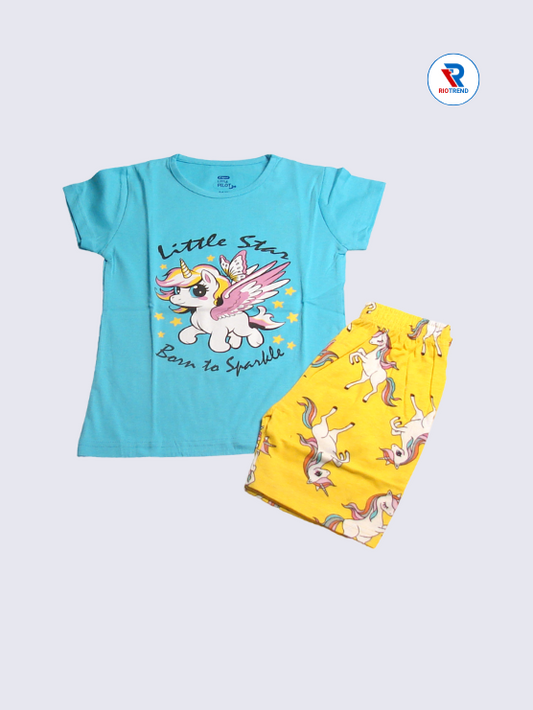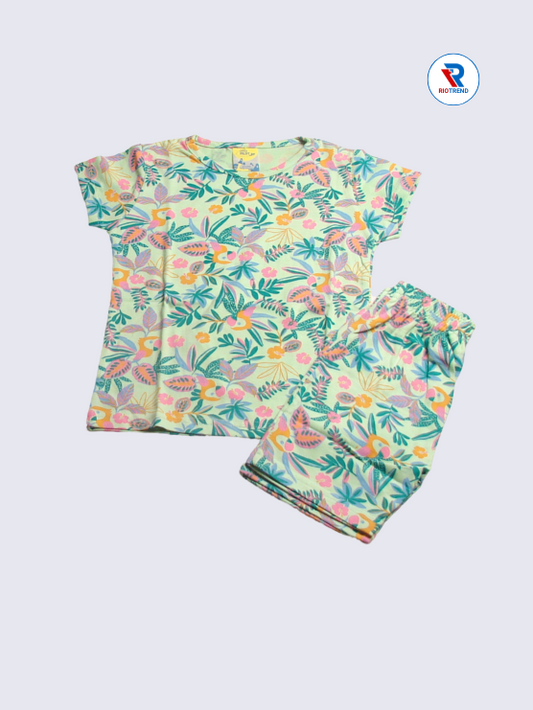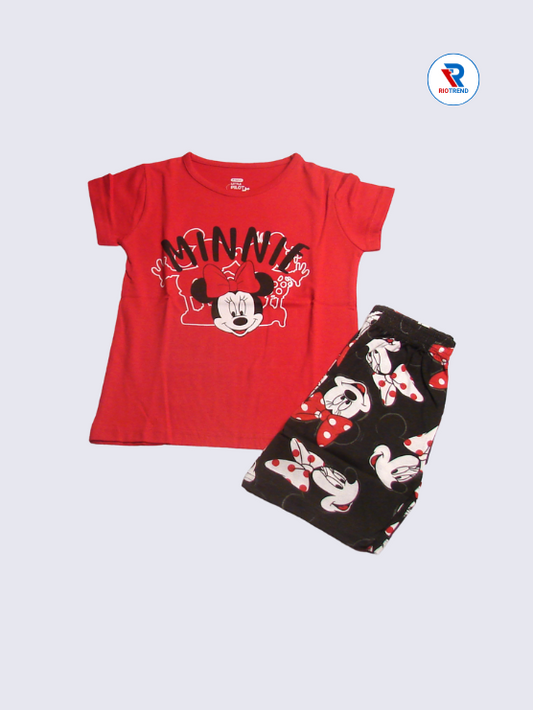

Have you ever visited an online store looking for a specific item, only to find they stock just one or two options? Frustrating, isn't it? As an Indian online shopper, you've probably experienced the disappointment of limited choices, whether you're searching for the perfect phone case, a Diwali gift, or everyday household essentials. With India's e-commerce market growing exponentially and millions of shoppers moving online every year, product diversity has become a crucial factor that separates exceptional shopping experiences from mediocre ones.
Product diversity refers to the wide range of products, variations, brands, and options available on an online shopping platform. It's the difference between finding exactly what you need versus settling for "close enough." In this comprehensive guide, you'll discover what product diversity truly means, why it matters for your shopping experience, and how you can leverage it to make smarter purchasing decisions. Whether you're a seasoned online shopper or just getting started, understanding product diversity will transform the way you shop and help you get better value for every rupee spent.
What Is Product Diversity?
Product diversity is the extent and variety of different products, categories, brands, styles, sizes, and price points available within an online store or marketplace. Think of it as the digital equivalent of walking into a massive shopping mall versus a small neighborhood store—the more diverse the product range, the higher your chances of finding exactly what you're looking for.
In the context of online shopping, product diversity encompasses several dimensions. It includes the breadth of product categories (electronics, fashion, groceries, home décor), the depth within each category (50 types of running shoes versus just 5), brand variety (both premium and budget options), and the availability of different specifications like sizes, colors, materials, and features.
For Indian shoppers, product diversity is particularly valuable because our needs are incredibly varied. From traditional ethnic wear to western fashion, from regional food items to international cuisines, from budget smartphones at ₹7,000 to premium models at ₹1,00,000—we need options that reflect our diverse preferences, budgets, and cultural contexts.
A platform with high product variety doesn't just stock products; it curates an extensive catalog that serves different customer segments, occasions, price sensitivities, and quality expectations. This means whether you're shopping for a festival, furnishing a new home, or simply replacing everyday items, you'll find multiple suitable options rather than being forced into a one-size-fits-all solution.
How Does Product Diversity Work in Online Shopping?
Understanding how product diversity functions in the online shopping ecosystem helps you make better use of available options and find what you truly need. Unlike physical stores limited by shelf space, online platforms can offer an almost unlimited product assortment because they're not constrained by physical inventory in a single location.
Online retailers achieve product diversity through several mechanisms. Many operate on a marketplace model where multiple sellers list their products on a single platform, exponentially increasing the shopping choices available to you. Others maintain extensive warehouses across different locations, stocking thousands of items across various categories. Some use a hybrid approach, combining their own inventory with third-party sellers.
The technology behind online shopping platforms also plays a crucial role. Advanced search filters, categorization systems, and recommendation algorithms help you navigate through thousands of products efficiently. When you search for "cotton kurtas for women," the platform's product diversity allows it to show you hundreds of options—different styles (A-line, straight, Anarkali), price ranges (₹500 to ₹5,000), colors, sizes, and brands.
Product diversity also works through dynamic inventory management. Online stores can quickly add new products, seasonal items, or trending merchandise to their catalog. During festivals like Diwali, you'll notice platforms expanding their product range to include special gift items, decoration pieces, and festive wear. After the season, these items may be replaced with other relevant products, ensuring the product selection remains fresh and relevant to current shopper needs.
For you as a shopper, this means you're not just browsing a static catalog. You're accessing a living, breathing marketplace that constantly evolves to offer you more choices, better prices through competition among sellers, and access to both local and international products—all from the comfort of your home.
Types of Product Diversity You'll Encounter
Horizontal Diversity
Horizontal diversity refers to the breadth of different product categories available on a platform. This is when an online store offers products across multiple, unrelated categories. For instance, a platform might sell electronics, clothing, groceries, books, beauty products, and home appliances all in one place.
As an Indian shopper, horizontal diversity is incredibly convenient. Instead of visiting separate websites for different needs, you can shop for your smartphone, ethnic wear for an upcoming wedding, groceries for the month, and a new pressure cooker—all in one shopping session. This saves time, consolidates your deliveries, and often allows you to take advantage of cart-value-based discounts or cashback offers.
Vertical Diversity
Vertical diversity refers to the depth of options within a single product category. This is when a store offers extensive variations of similar products. For example, in the smartphone category, you might find 200+ models ranging from basic phones at ₹3,000 to flagship devices at ₹1,50,000, covering all brands, specifications, and features.
Vertical diversity is crucial when you have specific requirements. If you're shopping for a laptop, vertical diversity ensures you can filter by processor type, RAM, storage, screen size, brand, and price range to find the perfect match. You're not limited to just a few options; you can compare dozens of alternatives that fit your exact criteria and budget.
Price-Point Diversity
Price-point diversity means having options across different price ranges for similar products. Whether you're looking to spend ₹500 or ₹5,000 on a pair of jeans, product diversity ensures options exist at every price tier.
This type of diversity is particularly important in India, where purchasing power varies significantly across different consumer segments. You might be looking for budget-friendly options for everyday use or premium products for special occasions. Price-point diversity ensures no shopper is left without options, regardless of their budget constraints.
Why Product Diversity Matters for Your Shopping Experience
Product diversity fundamentally transforms your online shopping journey from a limiting experience to an empowering one. When you have access to a wide selection of products, you're no longer at the mercy of what's available; instead, you're in control of your choices.
First and foremost, product diversity eliminates the frustration of "not finding what you need." Imagine searching for a specific shade of lipstick or a particular brand of organic rice. On platforms with limited inventory, you might have to compromise or visit multiple websites. With high product diversity, your chances of finding that exact product increase dramatically, saving you time and effort.
Product diversity also enables better price comparison and value hunting. When multiple sellers offer the same or similar products, competition drives prices down and quality up. You can compare different brands offering similar features, read reviews from other Indian shoppers, and make informed decisions. For instance, if you're buying a water purifier, you can compare models from 10+ brands across different price points (₹5,000 to ₹25,000), technologies (RO, UV, UF), and capacities—all on the same platform.
Another critical aspect is choice abundance, which reduces buyer's remorse. When you select from just two options, there's always a nagging doubt about whether you made the right choice. However, when you've evaluated 20-30 alternatives and found the one that ticks all your boxes, you shop with confidence. This is especially important for big-ticket purchases like electronics, furniture, or appliances where you're investing thousands of rupees.
Product diversity also accommodates your evolving preferences and needs. Your requirements today might be different from next month. A diverse product catalog ensures that whether you're shopping for yourself, your family, gifts for occasions, or professional needs, suitable options exist. This versatility makes the shopping platform your go-to destination rather than just an occasional stop.
How Product Diversity Enhances Your Online Shopping Journey
The impact of product diversity on your shopping experience extends beyond just having more options—it fundamentally enhances how you discover, evaluate, and purchase products online.
Enhanced Discovery and Exploration: With diverse product offerings, you're more likely to discover items you didn't even know you needed. Cross-category recommendations work better when there's variety. For example, while buying a saree, you might discover matching jewelry, footwear, or even beauty products specifically curated for ethnic looks. This serendipitous discovery makes shopping more enjoyable and helps you find complete solutions rather than isolated products.
Better Match to Personal Preferences: India's diversity in terms of culture, language, regional preferences, and individual tastes means that one-size-fits-all rarely works. Product diversity ensures that whether you prefer traditional or modern, minimalist or ornate, local or international brands, you'll find products that resonate with your personal style and values. Someone in Chennai looking for Kanchipuram silk sarees and someone in Delhi searching for Lucknow chikan work kurtas will both find authentic options.
Informed Decision Making: When you have access to a diverse inventory across brands and price points, you can research better. You can read comparative reviews, understand why one product costs ₹10,000 while a similar-looking one costs ₹5,000, and evaluate which features matter most to you. This educational aspect of diverse product catalogs makes you a smarter, more confident shopper over time.
Risk Mitigation: Product diversity provides safety nets. If your first choice is out of stock, you have multiple alternatives. If one brand's product doesn't work out, you can easily try another without changing platforms. This flexibility reduces shopping anxiety and ensures you're never stuck without options.
Seasonal and Occasional Flexibility: Indian shopping patterns are highly seasonal—festivals, weddings, back-to-school shopping, monsoon preparations. A platform with high product availability across categories can serve all these needs throughout the year. You can shop for Holi colors in March, monsoon footwear in July, Diwali decorations in October, and winter wear in December—all from the same trusted platform.
The psychological impact shouldn't be underestimated either. When you know a platform offers extensive variety, you're more likely to start your product search there, creating loyalty and saving yourself the hassle of browsing multiple websites. This convenience translates to faster shopping, less decision fatigue, and more satisfying purchases.
Benefits of Shopping from Stores with High Product Diversity
Choosing to shop from platforms that prioritize product diversity offers numerous tangible and intangible benefits that directly impact your wallet, time, and overall satisfaction.
Cost Savings Through Competition: When a platform hosts multiple sellers and brands for similar products, competitive pricing emerges naturally. You might find the same branded product at different prices from different sellers, or discover that a lesser-known brand offers 80% of the features at 50% of the price. These shopping options translate directly into savings. For example, you could save ₹2,000-₹5,000 on a refrigerator simply by comparing options across brands and sellers on the same platform.
Time Efficiency: Instead of visiting 5-10 different websites to find what you need, high product diversity means you can complete all your shopping in one place. Whether you're planning a complete home makeover or buying monthly groceries, you save hours of browsing time. For busy professionals or parents, this time-saving aspect is invaluable.
Quality Assurance Through Options: When you can choose from 50 brands instead of 5, you can easily avoid low-quality products. Reviews from thousands of other Indian shoppers help you identify which products deliver on their promises. This collective wisdom available through diverse product catalogs acts as quality insurance, protecting you from poor purchasing decisions.
One-Stop Shopping Convenience: Imagine you're preparing for a wedding—you need ethnic wear, gifts, jewelry, decorations, and travel bags. High product variety means you can purchase everything in a single shopping session, often qualifying for better discounts, consolidated shipping, and easier return management if needed.
Better Returns and Exchange Options: When a platform has diverse inventory, exchanges become easier. If a shirt doesn't fit, you can exchange it for a different size or even a different style from another brand—all within the same order. This flexibility is harder to achieve when shopping from stores with limited selections.
Access to Niche and Specialized Products: Product diversity isn't just about mainstream items. It also means access to specialized products that cater to specific needs—organic foods, eco-friendly products, adaptive clothing for differently-abled individuals, or regional specialties from across India. These niche items are often hard to find in physical stores but become accessible through diverse online catalogs.
Future-Proofing Your Shopping Needs: As your life evolves—new baby, new job, new home, new hobbies—your shopping needs change. A platform with high product diversity grows with you, ensuring that whatever new requirement emerges, you likely won't need to find a new shopping destination.
Tips for Maximizing Product Diversity When Shopping Online
Research Multiple Options Before Committing
Don't settle for the first product you see, even if it looks perfect. Use the search and filter features to explore at least 10-15 alternatives. Sort by price (low to high, high to low), customer ratings, newest arrivals, and bestsellers. Each sorting method reveals different products, helping you understand the full spectrum of what's available.
For significant purchases above ₹5,000, create a comparison spreadsheet. List out 5-6 products with their prices, key features, ratings, number of reviews, and any standout pros or cons. This systematic approach, enabled by product diversity, helps you make data-driven decisions rather than impulsive ones.
Leverage Advanced Filters Effectively
Most platforms with high product diversity offer sophisticated filtering options. Don't just use basic filters like price and brand. Explore filters for specific features, materials, sizes, colors, seller ratings, delivery timeframes, and discount percentages. The more specific your filters, the more precisely you can narrow down thousands of options to your perfect match.
For example, if you're buying a laptop, filter by processor generation, RAM capacity, SSD storage, screen size, weight, and graphics card type. These detailed filters only work when there's sufficient product diversity to make the filtering meaningful.
Read Reviews Across Similar Products
The beauty of shopping from platforms with extensive catalogs is that you can read reviews not just for one product, but across multiple similar products. This gives you insights into common issues across a category. If 10 different air purifier models all have complaints about noisy operation, you'll learn that quiet operation is a feature worth paying extra for.
Pay special attention to reviews from verified Indian buyers who share your usage context. A review from someone in Bangalore talking about humidity protection is more relevant to you than generic international reviews if you also live in a humid climate.
Explore Alternative Brands and Models
Don't limit yourself to well-known brands. Product diversity often includes emerging brands offering excellent quality at competitive prices. These brands invest in product quality rather than marketing, passing the savings to you. Read reviews carefully—sometimes a brand you've never heard of delivers better value than established names charging premium prices.
Similarly, explore last year's models or slightly older versions of products. In electronics especially, last year's flagship phone or laptop might be available at 30-40% off while offering 95% of the latest model's features. This strategy only works when stores maintain diverse inventory across product generations.
Use Wishlist and Comparison Features
Most platforms allow you to add products to wish lists and comparison tools. Use these features aggressively. Add 15-20 products to your Wishlist, let them sit for a day or two, and then narrow down. This cooling-off period prevents impulsive purchases and allows you to research more thoroughly.
Comparison features let you see 3-4 products side-by-side with their specifications, prices, and ratings. This visual comparison, made possible by product diversity, makes differences obvious and decision-making easier.
Subscribe to Deal Alerts for Your Category
When you're shopping from platforms with high product variety, you can afford to be patient. Subscribe to price drop alerts or deal notifications for your desired category. With thousands of products being discounted at different times, you're likely to catch your preferred item on sale if you wait strategically.
For example, if you're planning to buy a washing machine in the next 2-3 months, set up alerts. You'll be notified when models in your preferred price range (say ₹15,000-₹25,000) go on sale, often saving you ₹2,000-₹5,000.
Don't Ignore Bundle Opportunities
High product diversity creates opportunities for bundling. When buying a phone, check if buying it together with a cover, screen protector, and earphones as a bundle saves money. Many platforms offer bundle discounts that are only possible because they maintain diverse related inventory. These small savings (₹200-₹500 per purchase) add up significantly over time.
Check Multiple Sellers for the Same Product
If a platform has marketplace-style diversity with multiple sellers, the same product might be listed by different sellers at different prices. Always check all seller options. One seller might price the item at ₹3,999 while another offers it at ₹3,599—that's a 10% saving for the same product. Also compare seller ratings and delivery timeframes to ensure you're getting the best overall deal, not just the best price.
Final Thoughts
Product diversity isn't just a feature of online shopping—it's a fundamental advantage that empowers you as a consumer. In a country as diverse as India, with varied needs, preferences, budgets, and cultural contexts, having access to extensive product variety and shopping choices transforms your shopping experience from settling for what's available to finding exactly what you want.
By understanding what product diversity means and how to leverage it effectively, you can save money, save time, discover better products, and shop with confidence. Whether you're buying everyday essentials or making significant investments in electronics or home furnishings, the strategies and insights shared in this guide will help you maximize the value of every rupee spent.
Remember, the key to benefiting from product diversity is active engagement—research thoroughly, compare systematically, read reviews carefully, and never settle for the first option you see. The more you explore the diverse options available, the smarter and more satisfied you'll become as an online shopper. Happy shopping!
Product Diversity FAQ's
How much product diversity is enough when choosing an online shopping platform?
Look for platforms offering at least 10-20 options in categories you frequently shop from. If you find fewer than 5 alternatives for your regular purchases, the diversity is likely insufficient. Check both breadth (number of categories) and depth (options within each category) to ensure the platform meets your diverse shopping needs.
Does more product diversity mean higher prices?
Actually, the opposite is often true. Higher product diversity increases competition among sellers and brands, typically driving prices down rather than up. You'll usually find both premium and budget options, giving you more control over how much you spend based on your quality requirements and budget.
How can I quickly assess a platform's product diversity before shopping?
Search for a common product you know well (like "running shoes" or "pressure cooker") and check how many results appear. Then apply 2-3 filters (like price range and brand) to see if the number of options remains substantial. If you still see 50+ products after filtering, the platform likely has good diversity. Also check if multiple sellers offer the same products.
Are niche products available on platforms with high product diversity?
Yes, high product diversity typically includes both mainstream and niche products. Platforms with extensive catalogs often cater to specialized needs like organic foods, eco-friendly products, regional specialties, or products for specific communities. Use specific search terms and explore specialized subcategories to find these niche items.
Can too much product diversity make shopping confusing?
While extensive options can seem overwhelming initially, good platforms provide robust filtering, sorting, and recommendation tools to help you navigate. Start with clear criteria (budget, key features, preferred brands), use filters aggressively, and focus on top-rated products. With practice, you'll efficiently narrow thousands of options to your perfect match.
How does product diversity affect return and exchange policies?
Higher product diversity generally improves your return and exchange experience. If you need to return an item, you'll find multiple alternative products to exchange it for within the same platform. This is more convenient than returning to a platform with limited options and having to shop elsewhere for a replacement.