
You've spent 30 minutes researching the perfect running shoes, reading reviews, comparing prices, and finally finding "the one" at ₹3,499. You click "Add to Cart," breeze through checkout, and eagerly wait for delivery. When the package arrives, excitement turns to crushing disappointment—you received size 9 when you need size 10, or the blue color you never wanted instead of the black you assumed you'd ordered. Sound familiar? This frustrating scenario happens to thousands of Indian online shoppers daily, all because of one overlooked detail: product variants.
Product variants are the different versions of the same base product—sizes, colors, materials, configurations, capacities, and other specifications that make each unit unique despite being fundamentally the same item. That smartphone isn't just "a smartphone"—it's the 128GB black variant or the 256GB blue variant, each with different prices, availability, and suitability for your needs. Those jeans aren't just "jeans"—they're size 32 in dark blue denim or size 34 in light wash, and choosing wrong means disappointment.
According to e-commerce analytics, nearly 30% of online returns in India result from customers ordering incorrect variants—wrong sizes, unwanted colors, or unsuitable configurations. These mistakes waste time, create frustration, cost shipping fees, and delay getting what you actually need. Understanding product variants transforms shopping from a risky gamble to a precise, confident process where you get exactly what you want, first time, every time.
In this comprehensive guide, you'll discover why product variants deserve your careful attention, how to navigate variant options effectively, common mistakes to avoid, and strategies for selecting the perfect variant matching your needs and preferences every single time you shop online.
What Are Product Variants?
Product variants (also called product variations or SKUs—Stock Keeping Units) are the different versions or configurations of a single product that share the same core identity but differ in specific attributes. While the fundamental product remains the same, variants represent the specific permutations created by combining different options like size, color, material, capacity, or features.
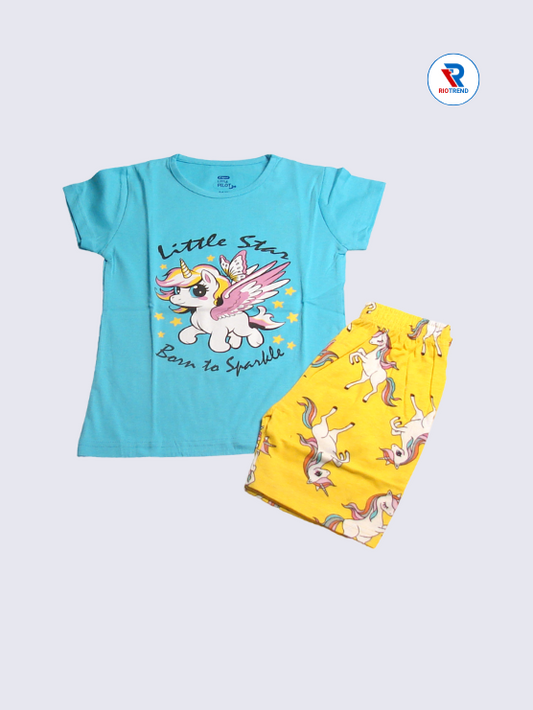
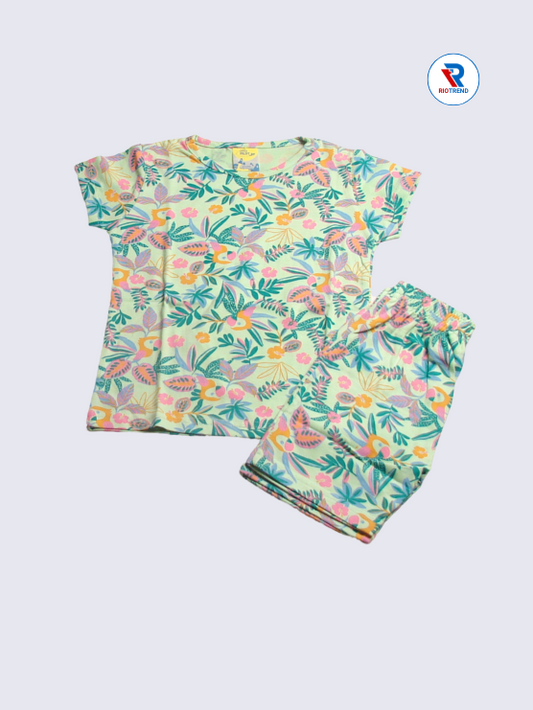
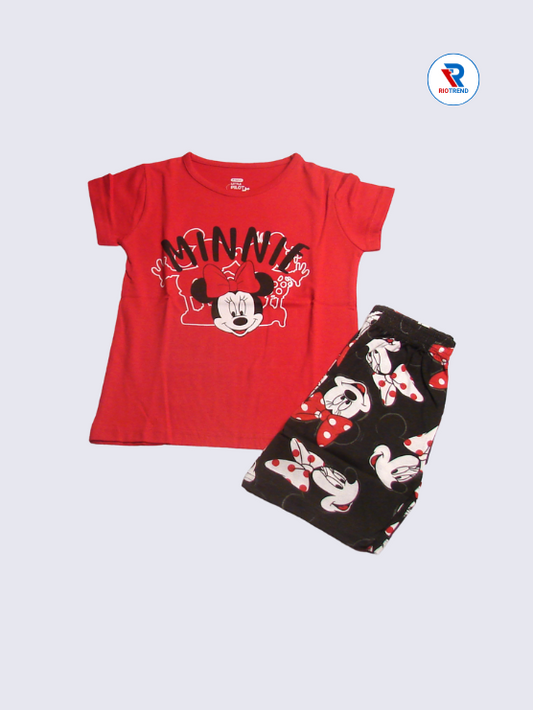
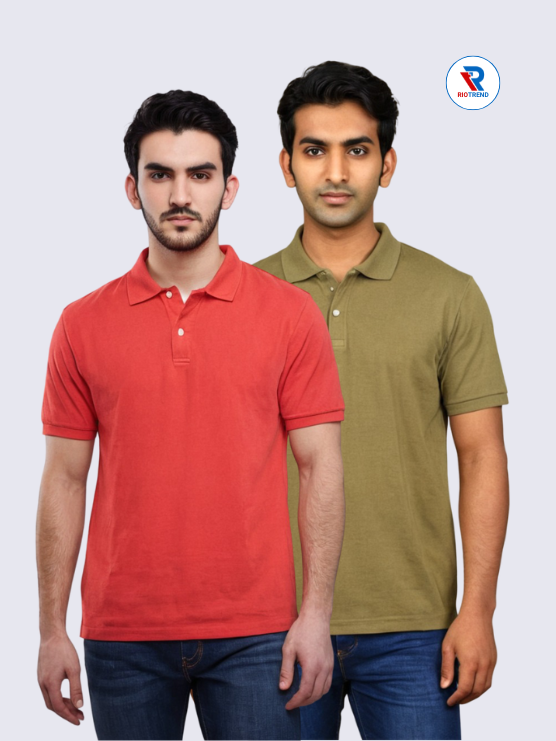
Consider a simple t-shirt. The "base product" is the t-shirt design—let's say a crew neck cotton t-shirt with a specific graphic print. But customers can't just buy "the t-shirt"—they must select specific variant options: size (S, M, L, XL, XXL), color (black, white, navy, red, grey), and possibly material variant (100% cotton or cotton-poly blend). A t-shirt with 5 size options and 5 color options creates 25 unique variants (5 × 5 = 25). Each variant is a distinct purchasable item with its own SKU, inventory count, and potentially different price.
The concept extends far beyond simple attributes. A laptop isn't just "a laptop"—it's a specific configuration variant: processor type (i5, i7, i9), RAM capacity (8GB, 16GB, 32GB), storage type and size (256GB SSD, 512GB SSD, 1TB SSD), color (silver, space grey, black), and sometimes even keyboard layout (US English, UK English, Hindi). A laptop model with 3 processor options, 3 RAM options, 3 storage options, and 2 colors creates 54 possible variants (3 × 3 × 3 × 2 = 54).
Product variations exist because consumers have diverse needs, preferences, body types, usage scenarios, and budget constraints. One-size-fits-all doesn't work in modern commerce. Variants enable personalization within standardized production—manufacturers create base products but offer configuration options allowing customers to select the specific combination meeting their unique requirements.
For Indian shoppers, variants are particularly important because our market diversity is extreme. Height variations require clothing size ranges from XS to 5XL. Skin tone diversity requires makeup and cosmetic variants in dozens of shades. Regional preferences require appliances with voltage variants, food products with spice level variants, and content in language variants. Climate variations across India require clothing material variants (heavy winter wear for Shimla, breathable summer fabrics for Chennai). Product options accommodate this diversity, ensuring something exists for everyone.
The terminology around variants can be confusing. "Variant," "variation," "option," "SKU," "configuration," and "model" are often used interchangeably. Technically, a variant is the specific combination of selected options (the blue t-shirt in size M), while options are the attributes you choose from (size and color being the options). But in common usage, these terms overlap significantly, and understanding the concept matters more than terminological precision.
Understanding what variants are helps you recognize that "the product" isn't a single item but a family of related items, and your job as a shopper is selecting the specific family member that fits your needs. This mental framework prevents mistakes where you focus on the product generally while neglecting the critically important variant specifically.
How Product Variants Work in Online Shopping
Understanding the mechanics of how product variants function in the online shopping experience helps you navigate them effectively and avoid common pitfalls that lead to ordering mistakes.
Variant Selection Interface: When you visit a product page online, the base product is displayed with variant selection controls—dropdown menus, clickable swatches, radio buttons, or size charts. These controls allow you to specify your desired variant before adding to cart.
Common variant selection patterns include:
Dropdown Menus: Especially for variants with many options (shoe sizes with 15+ options, laptop configurations with technical specs). You click a dropdown, scroll through options, and select your choice. The interface usually shows currently selected option and updates product details (price, availability, images) when you change selections.
Visual Swatches: For colors, materials, or visually distinctive variants, clickable swatches show thumbnails. Clicking a color swatch updates the main product image to show that color variant. This visual selection is intuitive and reduces selection errors compared to text-only dropdowns.
Radio Buttons: For variants with few options (2-4 choices), radio buttons list all options simultaneously, allowing quick selection without dropdown clicking. Common for simple binary choices (with/without, enabled/disabled, yes/no variants).
Size Charts and Guides: For clothing, footwear, and size-dependent products, detailed size charts help you determine correct size variant. These charts provide measurements (chest, waist, length for clothing; foot length for shoes) allowing you to measure yourself and select appropriately.
Sequential Selection: Some products require selecting variants in specific order. For electronics, you might first select processor (which determines available RAM options), then RAM (which determines storage options), then storage (which determines final price). This dependency-based selection guides you through configuration logically.
Real-Time Updates: As you select variants, the product page dynamically updates. Price changes if variants have different pricing (64GB phone ₹25,000, 128GB phone ₹28,000, 256GB phone ₹32,000). Stock availability indicators show whether selected variant is in stock or out of stock. Product images update to reflect selected variant. These real-time updates help you understand implications of variant choices before committing to purchase.
Variant-Specific Information: Detailed variant information appears as you select. For laptop RAM variants, you might see performance impact descriptions. For clothing material variants, care instructions specific to that fabric. For appliance capacity variants, energy consumption differences. This variant-specific information aids informed selection beyond just attribute names.
Cart and Checkout Verification: After adding to cart, the cart page displays not just product name but complete variant specification: "Cotton T-Shirt - Size: L, Color: Navy Blue" rather than just "Cotton T-Shirt." This specification allows verification before checkout. Payment and order confirmation pages repeat variant details, providing multiple verification opportunities.
Post-Purchase Implications: The variant you selected determines what you receive. Inventory systems track variants separately—even if the product overall has 1,000 units, your specific variant (size L in navy) might have only 5 units. If your selected variant is out of stock, the order can't be fulfilled even if other variants are available. Variant selection is binding; you can't change variants after ordering without canceling and reordering.
Variant-Based Pricing: Not all variants of a product cost the same. Common pricing patterns include:
- Capacity-based pricing: Larger sizes/capacities cost more (8GB RAM vs. 16GB RAM, 500ml vs. 1L bottles)
- Material-based pricing: Premium materials command premiums (genuine leather vs. synthetic, solid wood vs. engineered wood)
- Feature-based pricing: More features increase price (basic model vs. pro model with additional capabilities)
- Color/style-based pricing: Sometimes aesthetically premium variants (metallic finishes, limited edition colors) cost more despite identical functionality
Understanding these pricing variations prevents checkout surprises where your expected ₹3,000 purchase becomes ₹4,500 because you selected premium variants without noticing price differences.
Variant Availability and Stock: Each variant has independent inventory. Even if a product page says "In Stock," your specific desired variant might be out of stock. Variant availability affects delivery timelines—in-stock variants ship immediately, out-of-stock variants might require weeks for restocking or might be permanently discontinued.
Smart shoppers check variant availability early in the shopping process. If your first-choice variant is unavailable, you can immediately pivot to acceptable alternatives rather than discovering unavailability at checkout after investing decision-making time.
Types of Product Variants You'll Encounter
Product variants come in numerous forms across different product categories. Understanding common variant types helps you recognize what to look for and ensure thorough variant specification.
Physical Dimension Variants
Size Variants: The most ubiquitous variant type, especially for clothing, footwear, and accessories. Sizes use various systems—numerical (28, 30, 32, 34 for waist sizes), letter-based (XS, S, M, L, XL, XXL for general sizing), regional (UK sizes vs. US sizes vs. EU sizes for shoes), and measurement-based (inches for screen sizes, liters for capacity).
Indian sizing adds complexity—some brands use Indian standard sizing, others use international sizing, creating confusion. A "large" in one brand might fit like "medium" in another. Always consult size charts rather than assuming size consistency across brands.
Dimension Variants: For furniture, appliances, and home goods—length, width, height, depth variations. A dining table might come in 4-seater (120cm length), 6-seater (150cm length), or 8-seater (180cm length) variants. Refrigerators vary in height, width, and depth to fit different kitchen spaces. Mattresses come in single, double, queen, and king sizes.
These dimension variants require measuring your available space before ordering. The perfect sofa variant for your living room depends on precise space measurements, not just aesthetic preference.
Aesthetic Variants
Color Variants: Available across nearly all product categories—electronics, clothing, home décor, appliances, accessories. Color choices range from basic (black, white, grey) to extensive palettes (15+ color options for clothing or phone cases).
Color variants seem simple but create complexity. Online color representation varies with your screen's color calibration. "Navy blue" on your screen might appear different in reality. Reading reviews mentioning actual color accuracy helps, as does understanding that slight color variation from images is normal.
Pattern and Design Variants: For clothing, home textiles, wallpapers—striped vs. floral vs. geometric patterns, different print designs, embroidery variations. Each pattern/design is a distinct variant affecting aesthetic significantly while the base product (fabric type, construction method, dimensions) remains consistent.
Finish Variants: For furniture, appliances, fixtures—matte vs. glossy, polished vs. brushed, textured vs. smooth finishes. A kitchen faucet might be available in chrome finish, brushed nickel, oil-rubbed bronze, and matte black variants, each creating different aesthetic impacts in your kitchen.
Material and Construction Variants
Material Variants: The same product design manufactured in different materials creates distinct variants. A backpack might come in nylon (₹1,200), polyester (₹1,500), canvas (₹1,800), or genuine leather (₹4,500) variants. Water bottles in plastic (₹300), stainless steel (₹600), or copper (₹1,200) variants.
Material variants affect durability, maintenance requirements, weight, appearance, and environmental impact beyond just price. Understanding material properties helps select variants matching your usage needs and values.
Quality/Grade Variants: Some products offer quality tiers—standard vs. premium vs. professional grades. Cotton t-shirts in 160 GSM standard variant (₹400), 180 GSM premium variant (₹600), or 200 GSM luxury variant (₹900). These quality variants use the same basic design but different material grades affecting comfort, durability, and perceived value.
Technical Specification Variants
Performance Variants: For electronics and appliances—processor speed, RAM capacity, storage size, battery capacity, motor power, cooling capacity. A laptop in i5/8GB/256GB variant (₹45,000), i5/16GB/512GB variant (₹55,000), or i7/16GB/1TB variant (₹75,000).
These technical variants significantly impact functionality and suitability for your use case. Gaming requires high-performance variants; basic office work functions well with entry variants. Selecting inappropriate performance variants leads to either overpaying for unused capability or frustration with inadequate performance.
Capacity Variants: For storage, bottles, appliances, and containers—different volume, weight, or quantity capacities. Power banks in 10,000mAh (₹1,200), 20,000mAh (₹1,800), or 30,000mAh (₹2,500) variants. Water purifiers with 7L, 10L, or 15L storage tank variants. Rice cooker in 1.8L, 2.8L, or 4.5L cooking capacity variants.
Capacity selection depends on household size, usage frequency, and space availability. Too small creates inconvenience; too large wastes money and space.
Connectivity and Compatibility Variants: For electronics—WiFi only vs. WiFi+Cellular, Bluetooth 4.0 vs. 5.0, USB-C vs. micro-USB charging, different operating system variants (Windows vs. macOS, Android vs. iOS). These connectivity variants affect compatibility with your existing devices and ecosystems.
Functional and Feature Variants
Feature Set Variants: Products offered in basic, standard, and premium variants with progressively more features. Air conditioner in non-inverter basic variant (₹25,000), inverter standard variant (₹35,000), or inverter with air purification premium variant (₹45,000).
Each feature variant targets different buyer segments—budget-conscious buyers choose basic variants, feature-seekers choose premium variants. Understanding which features you'll actually use prevents overpaying for unused capabilities or under-buying and regretting missing important features.
Bundling Variants: Single product vs. combo packs vs. bulk quantities. Protein powder in 500g (₹1,200), 1kg (₹2,000), or 2kg (₹3,500) variants. Software as single license (₹2,000), 3-device family pack (₹3,500), or 10-device team license (₹8,000).
Bundle variants offer per-unit cost savings but require larger upfront investment and storage capacity. Calculating per-unit costs helps evaluate if bulk variants deliver real value for your consumption rate.
Regional and Localization Variants
Language Variants: Software, books, courses, content in different language options. A productivity app in English variant, Hindi variant, or regional language variants. eBooks with English, Hindi, Tamil, Bengali variants.
For Indian multilingual audiences, language variants affect usability significantly. Interface language affects comfort and efficiency, especially for elderly family members or those more comfortable in regional languages than English.
Regional Specification Variants: Appliances configured for different regional requirements—voltage variants (220V India vs. 110V US), plug type variants (Indian 3-pin vs. international types), frequency variants (50Hz vs. 60Hz). Important for imported products or purchases for use abroad.
Using incorrect regional variants risks damaging products or incompatibility with local infrastructure. Always verify regional specifications match your location's standards.
Understanding these variant types helps you systematically consider all relevant product dimensions during shopping, ensuring you don't overlook critical variant attributes that affect satisfaction.
Why Product Variants Matter for Your Shopping Success
Product variants aren't trivial details to gloss over—they fundamentally determine whether your purchase satisfies your needs or becomes a disappointment. Here's why they matter more than most shoppers realize.
Variants Determine Fit and Functionality: The difference between variants isn't cosmetic—it's the difference between usable and unusable. The right shoe size variant allows comfortable walking; wrong size causes blisters and pain. The right laptop RAM variant handles your work smoothly; insufficient RAM creates frustration with freezing and crashes. Appropriate refrigerator capacity variant fits your kitchen space; too large won't fit physically.
This isn't about minor preference—it's about fundamental functionality. A ₹50,000 laptop in the wrong variant configuration is worse than a ₹30,000 laptop in the right configuration. Price and brand matter, but variant appropriateness matters more for actual satisfaction.
Variants Affect Long-Term Value: Selecting appropriate variants impacts value over product lifetime. Choosing adequate capacity variants prevents premature replacement—buying 256GB phone storage when you need 128GB wastes ₹5,000; buying 64GB when you need 128GB forces upgrade within months, costing more overall.
Material variants affect durability and lifecycle costs. A ₹2,000 stainless steel water bottle lasting 5 years delivers better value than a ₹500 plastic bottle lasting 1 year, requiring 5 replacements (₹2,500 total over 5 years). Variant decisions influence total cost of ownership, not just initial purchase price.
Variants Impact Return and Exchange Likelihood: Wrong variant selection is the leading cause of returns and exchanges—incredibly frustrating processes. Ordering wrong clothing size means waiting for return pickup, processing refunds, reordering correct size, and waiting again for new delivery. This cycle wastes weeks and creates tremendous inconvenience.
For products with no-return policies (undergarments, personal care, custom items), wrong variants mean stuck with unusable purchases—money completely wasted. Variant selection accuracy prevents these costly mistakes.
Variants Affect Compatibility and Integration: Technical product variants must integrate with existing ecosystems. Phone storage variant affects what existing devices you can connect (USB-C vs. micro-USB). Software OS variant must match your computer (Windows vs. Mac). Appliance voltage variant must match your home electrical system.
Incompatible variants create expensive secondary purchases—adapters, converters, additional accessories—or complete inability to use products. A ₹3,000 gadget with wrong charging variant might require ₹800 adapter or might be completely unusable, making it worthless.
Variants Influence Resale Value: When eventually selling or passing along products, popular variants retain value better than niche variants. Common size variants (M, L sizes in clothing) have broader market than extreme sizes (3XL, XS). Standard color variants (black, white, grey) sell easier than unusual colors (lime green, bright orange).
Technical variants with higher specs retain value better—laptops with 16GB RAM sell for more after 2 years than identical models with 8GB RAM. Considering future resale when selecting variants today preserves long-term value.
Variants Create Price Optimization Opportunities: Understanding variant pricing allows strategic selections maximizing value. Sometimes stepping up one variant tier costs only ₹500 more but delivers significantly better features. Other times, premium variants cost ₹3,000 more for minimal practical benefit.
Smartphones often have "sweet spot" variants offering best value—mid-storage variant might be priced most competitively to drive volume while lowest and highest storage variants have worse rupee-to-gigabyte ratios. Recognizing these patterns helps optimize spending.
Variants Affect Availability and Delivery Speed: Popular variants stock out faster, potentially delaying delivery. If your must-have color variant is out of stock but acceptable alternative colors are available, choosing available variants means immediate delivery versus weeks waiting for restock.
Understanding variant availability dynamics helps you make informed trade-off decisions—is your color preference worth 3-week delay, or is faster delivery with acceptable alternative variant preferable?
Variants Determine Actual Use Satisfaction: Beyond functional fit, variant choices affect daily use satisfaction through aesthetics, comfort, and alignment with preferences. Clothing in preferred color variant creates happiness each time worn. Electronics in aesthetically pleasing finish variant provide visual pleasure. Appliances in capacity variant matching household size prevent daily frustration of insufficient capacity or wasted excess.
These psychological satisfactions seem minor but compound over years of product use. A variant you're happy with every day provides better value than marginally cheaper variant you're constantly disappointed by.
Common Mistakes Shoppers Make with Product Variants
Despite their importance, product variants are frequently mishandled by online shoppers, leading to widespread dissatisfaction. Recognizing these mistakes helps you avoid them.
The "Default Selection" Trap
Many product pages default to specific variants—usually the lowest price variant or most popular option. Shoppers add to cart without actively selecting appropriate variants, inadvertently ordering default selections unsuitable for their needs.
Example: A phone page defaults to 64GB/Black variant. You browse, read reviews, decide to buy, click "Add to Cart," and checkout—never actively selecting variant. You needed 128GB in white, but you ordered whatever defaulted. This autopilot shopping causes countless wrong-variant purchases.
Solution: Make variant selection a conscious, deliberate step. Never add to cart without explicitly selecting and verifying each variant attribute. Treat variant selection with the same attention you give to price comparison and review reading.
The "Assumed Specification" Error
Shoppers assume products have specific variants based on images, descriptions, or expectations—then order without verifying, discovering after delivery they received different variants than assumed.
Example: Product images show a black laptop, so you assume you're ordering black. You don't notice the variant selector defaulted to silver. Delivery brings silver variant, not the black you expected from images. Or you assume "large" clothing means your usual large size without checking size chart, receiving incorrectly sized items.
Solution: Verify every variant explicitly. Don't assume anything about size, color, specification, or configuration. Check selected variants against your requirements before checkout. Read variant-specific details, not just general product descriptions.
The "Incomplete Comparison" Mistake
Shoppers compare products thoroughly but compare different variants across products, making comparisons meaningless. You compare Product A's premium variant (₹5,000) against Product B's basic variant (₹3,000), concluding B is better value without realizing you compared unequal specifications.
Example: Comparing phones, you note Phone A has better camera (premium 256GB variant) and Phone B is cheaper (basic 64GB variant). You buy Phone B for ₹25,000, then realize Phone A's comparable 64GB variant costs ₹23,000—you paid more for inferior product because you compared mismatched variants.
Solution: Compare like-to-like variants across products. If comparing 16GB RAM laptops, ensure all comparison products are 16GB variants. Use variant filters systematically to ensure fair comparisons.
The "Ignore Size Chart" Problem
For clothing and footwear, shoppers order their usual size without consulting size charts, assuming size consistency across brands. They receive ill-fitting items because sizes vary dramatically between brands, and even between product lines within brands.
Example: You always wear size M, so you order M variant without measuring or checking size chart. The brand's M fits like S in other brands, or the product style runs large/small. You receive unwearable clothing requiring returns and reorders.
Solution: Always, always, always check size charts. Measure yourself according to chart instructions (chest, waist, hips, inseam, shoulder, etc.), compare measurements to chart, and select size accordingly. Ignore your "usual size"—only measurements matter.
The "Specification Overload" Paralysis
Faced with complex technical variants (laptops with dozens of configuration combinations), shoppers freeze, unable to decide, leading to either abandoning purchase or rushing selection without proper consideration, choosing inappropriate variants.
Example: Laptop with 3 processor options, 4 RAM options, 3 storage options, 2 display options creates 72 possible variants. Overwhelmed, you either give up or randomly select mid-range options without assessing if they match your actual computing needs.
Solution: Break variant selection into prioritized steps. List your must-have specs (minimum RAM for your work), nice-to-have features (preferred color), and don't-care attributes (irrelevant technical details). Select must-haves first, then optimize nice-to-haves within budget, ignoring don't-cares. This systematic approach prevents paralysis.
The "Penny-Wise, Pound-Foolish" Variant Selection
Choosing cheapest variants without considering long-term value or functionality needs. Saving ₹1,000 on lower capacity variant seems smart until you realize insufficient capacity creates frustration or necessitates replacement, costing more long-term.
Example: Buying 64GB phone storage variant to save ₹3,000 versus 128GB variant, then constantly managing storage limitations, unable to install needed apps, and ultimately upgrading phones within 18 months instead of using phone comfortably for 3+ years.
Solution: Evaluate variant choices based on total value, not just initial price. Sometimes paying 15-20% more for appropriate variant delivers 50-100% more satisfaction and longevity. Consider cost-per-year of ownership, not just checkout price.
The "Availability Panic" Purchase
Seeing limited stock on preferred variant creates urgency, causing shoppers to order without full consideration. Or seeing preferred variant out of stock, they impulsively order available variant they don't really want rather than waiting or seeking alternatives.
Example: Your preferred laptop configuration shows "Only 2 left!" You panic-buy immediately without completing research or comparison shopping. Or your must-have phone color is out of stock, so you order available color you dislike, regretting it every day for years.
Solution: Resist artificial urgency. "Limited stock" might be marketing pressure or genuine scarcity, but rushing leads to mistakes. Take time to verify the variant truly meets needs. If ideal variant is unavailable, wait for restock or expand search to alternative products rather than settling for disappointing variants.
How to Navigate Product Variants Like a Pro
Mastering product variant selection transforms online shopping from risky to reliable. Here's how to systematically handle variants for optimal outcomes.
Step 1: Clarify Requirements Before Shopping
Before browsing products, list your specific requirements for each potential variant type. For a laptop: minimum RAM (16GB for video editing), preferred storage (512GB SSD minimum), acceptable colors (silver, black, grey—no bright colors), required connectivity (USB-C mandatory), and budget range (₹60,000-₹75,000).
This pre-shopping clarity prevents variant drift where you get distracted by options you didn't originally need. You'll efficiently filter to variants meeting core requirements rather than being overwhelmed by irrelevant options.
Step 2: Use Variant Filters Strategically
Most e-commerce platforms offer variant-based filtering—filter by size, color, price range, specifications, materials, etc. Apply filters early to narrow product selection to only items offering your required variants.
Example: If you need size 10 shoes, filter to "Size: 10" immediately. This shows only products available in your size, preventing wasted time reviewing products that don't come in size 10 anyway. Similarly, filter to RAM: 16GB if that's your minimum, eliminating products with only 8GB maximum configuration.
This strategic filtering prevents the common mistake of falling in love with products that don't offer appropriate variants for your needs.
Step 3: Read Variant Descriptions Thoroughly
Don't just look at variant labels—read detailed descriptions of what each variant actually means. "Premium material" variant might mean genuine leather (worth premium) or just slightly heavier synthetic (not worth premium). "Large capacity" might mean 500ml (insufficient for your needs) or 1L (perfect).
Variant labels are marketing terms; descriptions contain actual specifications. Reading descriptions prevents misunderstanding what you're actually selecting.
Step 4: Compare Variant Pricing Rationally
List variant options with their prices and specifications. Calculate value ratios (price per GB for storage, price per liter for capacity, price per feature for bundled products).
Example: Phone storage variants: 64GB (₹25,000), 128GB (₹28,000), 256GB (₹32,000). Calculate per-GB costs: 64GB = ₹391/GB, 128GB = ₹219/GB, 256GB = ₹125/GB. The 256GB variant offers best per-GB value, though highest absolute price. If you need significant storage, 256GB is actually most economical choice.
This analytical approach reveals "sweet spot" variants offering best value for your specific needs.
Step 5: Verify Variant Availability and Lead Times
Check stock status for your desired variant before investing time in detailed research. If your must-have variant shows "Out of Stock" or "Ships in 4-6 weeks," decide early whether to wait, choose alternative variant, or explore different products.
Discovering unavailability after extensive research and emotional commitment leads to poor compromise decisions. Early verification allows rational decision-making about alternatives.
Step 6: Examine Variant-Specific Reviews
Read reviews specifically mentioning the variant you're considering. Different variants receive different feedback. The 8GB RAM variant might have poor reviews for performance while 16GB variant reviews are excellent. The small size might be praised while large size is criticized for awkward proportions.
Filter reviews by variant when possible, or manually scan for variant-specific mentions. This variant-specific feedback is far more valuable than general product reviews averaging across all variants.
Step 7: Use Size Charts and Measurement Guides Properly
For clothing, footwear, and furniture:
- Measure accurately: Use proper measuring tape, measure as per chart instructions (chest at widest point, waist at natural waist, not pant waistline, etc.)
- Compare to chart: Don't eyeball—compare exact measurements to exact chart numbers
- Read fit notes: Charts often include fit descriptions ("This style runs small, order one size up" or "Slim fit design, size up for relaxed fit")
- When between sizes: Generally size up for comfort unless the product description specifies otherwise
- Check multiple dimensions: Don't select based only on waist if chest is also listed—ensure all dimensions fit appropriately
This disciplined approach to size selection prevents the #1 variant mistake—wrong size ordering.
Step 8: Visualize Variants Through Multiple Images
For aesthetic variants (colors, finishes, patterns), view all available product images for your selected variant. Color swatches might show generic color; actual product photos reveal shade nuances, texture, and appearance in different lighting.
If product images don't update when you select variants, search for variant-specific images in reviews or request additional photos from sellers. Visual verification prevents color/appearance disappointment.
Step 9: Screenshot Variant Selections Before Checkout
Before completing purchase, screenshot your cart showing selected variants. This provides verification documentation and allows you to double-check specifications against your requirements one final time.
This screenshot also protects you if delivery doesn't match order—you have proof of what you ordered, making returns/exchanges simpler.
Step 10: Verify Variants at Multiple Checkpoints
Implement multi-checkpoint verification:
- Selection time: Verify when selecting variants on product page
- Add to cart: Verify in cart before proceeding to checkout
- Checkout page: Verify on payment/shipping information page
- Order confirmation: Verify in order confirmation email
Each verification point catches potential errors before they become delivered disappointments.
Step 11: Understand Return Policies for Wrong Variants
Before purchasing, verify return policies specifically for wrong variant orders. Some sellers accept returns for wrong size/color with full refund. Others charge restocking fees. Some mark certain variants (clearance colors, custom configurations) as final sale non-returnable.
Knowing return flexibility helps you gauge risk of variant selection. If generous return policy exists, you can order with more confidence; strict no-return policies demand extra careful variant verification.
Step 12: Consider Ordering Multiple Variants for Comparison
For critical purchases where variant selection is uncertain (wedding outfits, important gifts), consider ordering 2-3 variants (different sizes, colors) with plan to return unwanted ones. This try-before-commit approach costs return shipping but ensures perfect selection.
Particularly valuable for clothing where fit uncertainty is high and online size charts aren't always accurate. Order size M and L, try both, keep the better fit, return the other.
Benefits of Mastering Product Variant Selection
Developing systematic product variant selection skills delivers numerous advantages that compound across your shopping lifetime.
Reduced Returns and Exchanges: Accurate variant selection first time means products arrive correctly, fitting properly, meeting specifications, and matching expectations. This eliminates return hassles—pickup scheduling, refund waiting, reordering, extended delivery timelines. Each avoided return saves hours of frustration and days of delay.
Over a year of shopping, preventing even 3-4 returns through better variant selection saves weeks of cumulative time and hundreds of rupees in potential return shipping costs or restocking fees.
Better Value Optimization: Understanding variant pricing patterns helps you select variants offering maximum value within budget. You'll recognize when stepping up to next variant tier costs ₹500 more for ₹2,000 worth of additional value, or when premium variants cost ₹2,000 more for only ₹300 worth of actual benefit.
This optimization prevents both underspending (choosing inadequate variants to save money, then regretting limitations) and overspending (paying for premium variants you don't need or use).
Improved Long-Term Satisfaction: Products in appropriate variants deliver daily satisfaction. Clothing in correct sizes is comfortable. Electronics in appropriate configurations perform smoothly. Appliances in right capacities serve household needs without frustration. This cumulative satisfaction over months or years of product use is invaluable.
The difference between "good enough" variant and "exactly right" variant might seem minor at purchase, but compounds dramatically over extended use. A slightly-too-tight shirt uncomfortable daily for 2 years causes more total unhappiness than a perfectly-fitting shirt from variant clarity.
Faster Shopping Decisions: Systematic variant handling actually speeds shopping despite appearing to add steps. You'll quickly filter to appropriate variants, efficiently evaluate real options, and confidently select without second-guessing. This clarity eliminates hours of agonizing over decisions or postponing purchases due to uncertainty.
Enhanced Product Knowledge: Understanding variants deepens your product category knowledge. You'll learn what specifications matter (RAM affects laptop performance; thread count affects bedsheet quality; wattage affects mixer power), which are marketing nonsense (many "premium" variants offer no real benefit), and how to evaluate value across product categories.
This knowledge transfers across shopping experiences, making you increasingly savvy across all purchases.
Reduced Waste and Environmental Impact: Correct variant selection prevents waste from unusable purchases, returns that may be discarded rather than resold, and premature replacements of inadequate variants. This environmental benefit aligns consumption with sustainability values.
Each avoided wrong-variant purchase prevents packaging waste, return shipping emissions, and product disposal impacts. Collectively, millions of shoppers improving variant selection significantly reduces e-commerce's environmental footprint.
Financial Savings: Across dozens of annual purchases, better variant selection saves substantial money—avoiding wrong purchases, preventing premature replacements due to inadequate variants, optimizing variant value ratios, and reducing return shipping costs. These savings might total ₹5,000-₹15,000 annually for active shoppers.
Confidence in Online Shopping: Mastering variants makes online shopping reliable and trustworthy. You'll shop confidently knowing you'll receive exactly what you need, reducing anxiety about online purchases and enabling you to leverage e-commerce's advantages (selection, pricing, convenience) without fear of disappointment.
This confidence encourages optimal shopping channel selection—shopping online when it offers better value rather than defaulting to physical retail due to online uncertainty.
Final Thoughts
Product variants represent the difference between successful online shopping and frustrating disappointment. They're not minor details to rush through but rather the critical specifics that determine whether products actually fit your needs, match your preferences, and deliver expected value. In a market where 30% of returns stem from variant errors—wrong sizes, incorrect configurations, unwanted colors—the cost of variant neglect is enormous in wasted time, money, and frustration.
The good news is that variant mastery isn't complex—it simply requires conscious attention, systematic verification, and disciplined selection processes. By clarifying requirements before shopping, using filters strategically, reading variant descriptions thoroughly, comparing variant value rationally, checking availability early, examining variant-specific reviews, using measurement guides properly, verifying selections at multiple checkpoints, and understanding return policies, you transform variant selection from error-prone guesswork to reliable precision.
As India's e-commerce market expands and product variety increases exponentially, variant complexity will only grow—more configuration options, more customization possibilities, more technical specifications to navigate. Shoppers who develop variant selection skills today position themselves for success in tomorrow's even more variant-rich marketplace. Those who continue treating variants as afterthoughts will face increasing frustration as option complexity overwhelms their casual approach.
Remember: The base product gets you interested, but the specific variant selection determines satisfaction. A ₹50,000 premium product in the wrong variant delivers less value than a ₹25,000 budget product in exactly the right variant. Price and brand matter, but variant appropriateness matters more. Shop smart, verify thoroughly, select deliberately, and make every variant decision count. Your shopping satisfaction depends on it.
Product Variants FAQ's
Can I exchange a product for a different variant after receiving it if I'm not satisfied?
Exchange policies for variant changes vary between sellers and product categories. Many sellers allow size/color exchanges within 7-15 days for fashion items (subject to tags attached, unworn condition). Electronics and appliances typically have stricter policies—configuration exchanges often aren't permitted after opening, or incur restocking fees (10-15% of product value). Some categories (undergarments, personal care, sale/clearance items) are final sale with no exchanges allowed. Always check specific seller exchange policies before purchasing. For expensive items where variant selection is uncertain, consider purchasing from sellers with generous exchange policies even if slightly more expensive.
How do I know which product variant offers the best value for money?
Calculate value ratios by dividing price by quantifiable benefits. For capacity variants (storage, volume, power), compute cost per unit (₹/GB, ₹/liter, ₹/watt). For feature variants, list additional features and determine if the price premium justifies them for your usage. Compare variant prices to incremental value—if 128GB storage variant costs ₹3,000 more than 64GB variant, you're paying ₹47 per additional GB; if 256GB costs ₹4,000 more than 128GB, you're paying ₹31 per additional GB—making 256GB better per-GB value. Also consider long-term value—adequate capacity variant lasting 4 years often offers better total value than cheaper inadequate variant requiring replacement after 2 years.
What should I do if the variant I want is out of stock?
You have several options: (1) Wait for restock—contact seller to ask expected restock date; typically 2-6 weeks for popular variants. (2) Set stock alerts—many platforms notify you when out-of-stock variants become available. (3) Check alternative sellers—other retailers might have the same product/variant in stock. (4) Consider acceptable alternative variants—if you wanted blue but black is available and acceptable, compromise prevents delays. (5) Explore alternative products—different brands/models might offer similar specifications with your preferred variants available. (6) Pre-order if available—some sellers allow ordering out-of-stock variants with delivery when restocked. Evaluate urgency versus preference to decide if waiting or compromising serves better.
Are expensive variants always better quality than budget variants?
Not always—variant pricing reflects multiple factors, not just quality. Sometimes premium variants genuinely offer superior materials, performance, or features justifying higher prices. Other times, price differences reflect cosmetic variations (color, finish) with identical functional quality—you're paying for aesthetics, not better performance. Additionally, some pricing reflects market positioning rather than actual value—"luxury" variants create brand prestige despite minimal quality differences from standard variants. Evaluate variant-specific reviews, compare specifications objectively, and determine if premium variants offer tangible benefits matching your needs. Sometimes budget variants deliver 90% of premium variant performance at 60% of cost—better value. Other times, premium variants are worth every extra rupee.
How can I ensure I'm selecting the right size variant for clothing when shopping online?
Follow this systematic approach: (1) Measure yourself accurately using cloth measuring tape—bust at fullest point, waist at natural waist, hips at widest point, inseam, shoulder width, sleeve length as applicable. (2) Consult the specific product's size chart—don't assume size consistency across products or brands. (3) Compare your exact measurements to chart measurements. (4) Read fit notes—"runs small," "relaxed fit," "slim fit" guidance indicates how the product fits relative to measurements. (5) Check fabric composition—stretchy fabrics (spandex/lycra blends) accommodate measurement variations better than rigid fabrics (100% cotton). (6) Read reviews mentioning fit—"true to size," "order one size up," "fitted through chest" guidance from actual buyers. (7) When between sizes, generally size up unless description specifies otherwise. (8) For expensive or important purchases, consider ordering two sizes and returning the worse fit.
Do all product variants cost the same, or does pricing vary between variants?
Variant pricing varies significantly. Common patterns include: Capacity-based pricing—more storage/larger sizes cost more (64GB phone ₹25,000, 128GB ₹28,000, 256GB ₹33,000). Material-based pricing—premium materials command premiums (synthetic bag ₹1,200, leather bag ₹4,500). Feature-based pricing—additional features increase price (basic model ₹3,000, pro model ₹5,000). Color/finish-based pricing—sometimes premium colors/finishes cost more despite identical functionality (standard color ₹8,000, metallic finish ₹8,500). Equal pricing—some products price all variants identically (all clothing colors same price regardless of color). Always check selected variant's specific price—don't assume pricing based on displayed price which might be for lowest-price variant. Cart totals update reflecting selected variant pricing.