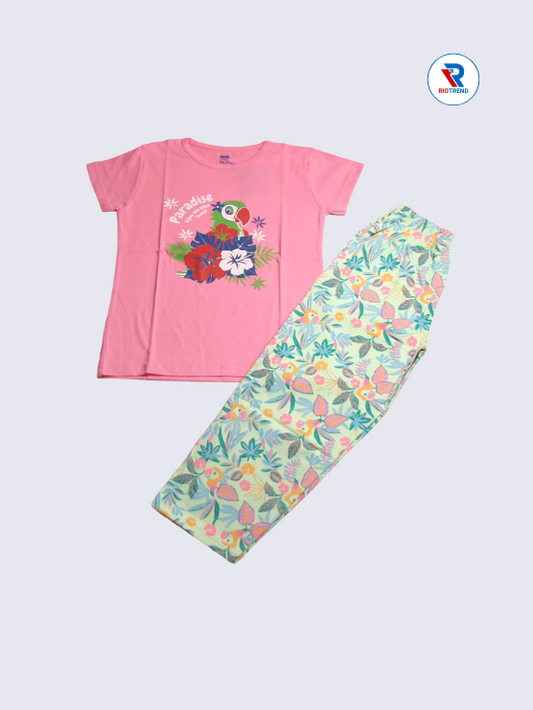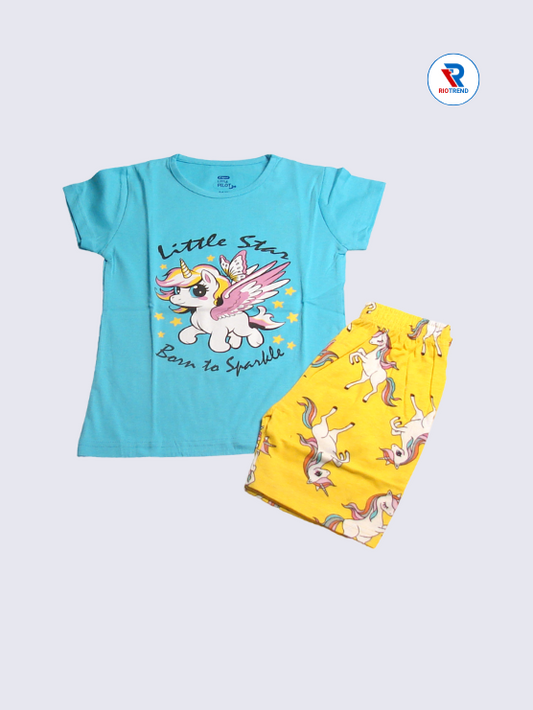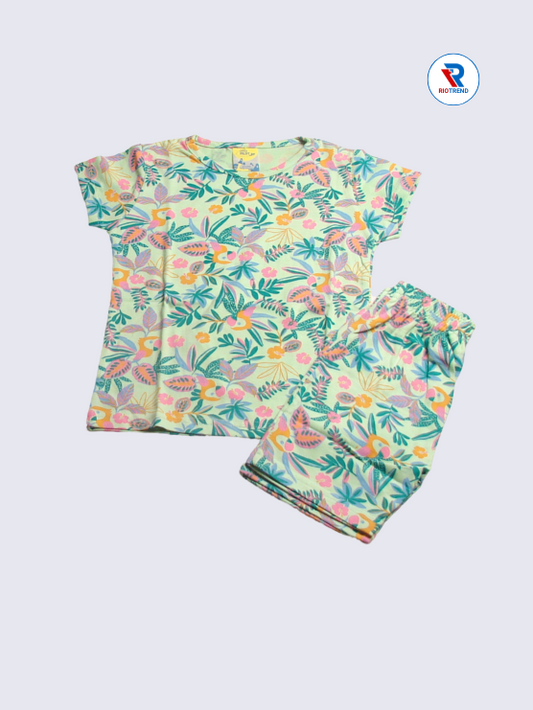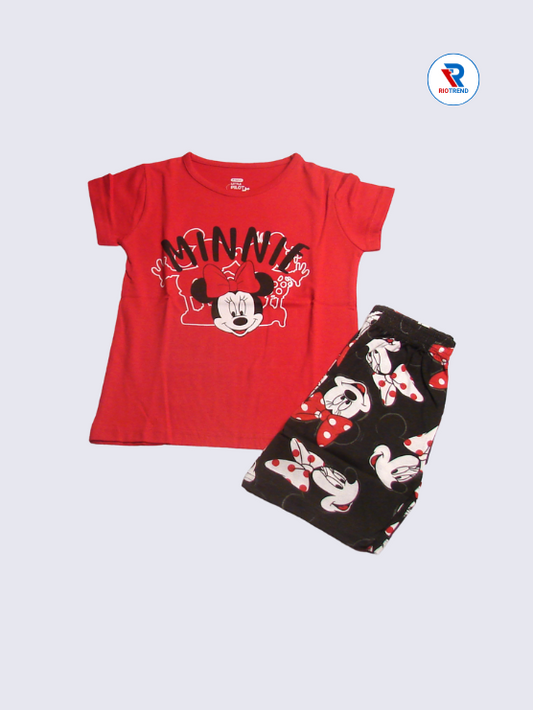

In today's fast-paced digital marketplace, understanding trending products can be the difference between making smart purchasing decisions and missing out on the next big thing. Whether you're a savvy online shopper or an aspiring entrepreneur, knowing how to spot emerging trends before they go mainstream can save you money, help you discover innovative solutions, and even open up business opportunities.
What Are Trending Products? Understanding the Basics
Trending products are items that are experiencing a rapid surge in popularity, search volume, and consumer demand within a specific timeframe. Unlike evergreen products that maintain steady sales throughout the year, trending items often emerge suddenly, peak quickly, and may decline just as fast.
These popular items aren't just random viral sensations – they're often driven by cultural shifts, technological innovations, seasonal changes, or social media influences that resonate with consumers' current needs and desires.
Why Identifying Trending Products Matters for Indian Consumers
1. Cost Savings and Better Value
When you identify hot-selling products early, you often get better prices before demand drives costs up. A gadget that costs ₹2,000 today might cost ₹3,500 once it becomes mainstream. This price advantage extends beyond the initial purchase - early adopters often get access to introductory offers, bundle deals, and promotional pricing that disappears once the product gains popularity. Additionally, you avoid the premium pricing that occurs during peak demand periods, especially during festival seasons when popular items can see price increases of 20-40%. Smart early identification also means you can purchase during manufacturer promotions rather than paying inflated reseller margins later.
2. Access to Innovation
Emerging trends often represent genuine improvements in technology, design, or functionality. Early adopters get to experience these benefits months before the general public. This advantage is particularly valuable in India's rapidly evolving market, where technological solutions are constantly addressing local challenges like power efficiency, space optimization, and climate adaptation. By staying ahead of trends, you gain access to products that can genuinely improve your daily life, work productivity, or home convenience. Early access also means you can provide valuable feedback to manufacturers, sometimes influencing product improvements and getting recognition as a trusted early reviewer.
3. Social and Professional Advantages
Being ahead of the curve with market trends can enhance your brand, whether in professional settings or social circles. In India's increasingly connected society, being the person who introduces friends to useful innovations builds your reputation as someone with good judgment and market awareness. Professionally, this knowledge can position you as a forward-thinking individual who understands market dynamics - valuable in roles involving marketing, product development, or business strategy. Your early adoption experiences can become conversation starters, networking opportunities, and even content creation possibilities if you choose to share your insights online.
4. Investment and Business Opportunities
For entrepreneurs, spotting trending items early can reveal profitable business opportunities in the Indian market. Early trend identification allows you to establish supply chains, build inventory, and create marketing strategies before competition intensifies. This head start can be crucial in India's competitive retail environment, where timing often determines market share. You might identify gaps in local availability, discover import opportunities, or even find inspiration for creating Indian variants of international trending products. Understanding trends early also helps in making informed decisions about retail space, online marketplace positioning, and target audience development.
8 Proven Methods to Identify Trending Products Early
1. Monitor Social Media Conversations and Hashtags
Social media platforms are goldmines for spotting viral products before they hit mainstream consciousness. The key is to look beyond surface-level popularity and identify genuine engagement patterns. Focus on posts that generate meaningful discussions rather than just likes or shares. Look for:
- Rapidly growing hashtags related to specific products, especially those gaining 1000+ uses daily
- Influencer endorsements and unboxing videos that generate high engagement rates
- User-generated content showcasing new items in real-life scenarios
- Comments asking "where to buy" repeatedly, indicating genuine purchase intent
- Regional language discussions about products, showing local market penetration
Pro Tip: Focus on Indian influencers and regional content creators who understand local market preferences. Micro-influencers (10K-100K followers) often showcase trends before macro-influencers, giving you an even earlier advantage. Monitor Instagram Stories, YouTube Shorts, and platform-specific trending sections for emerging patterns.
2. Analyze Search Volume Patterns and Keywords
Product research through search trends reveals what Indians are actively looking for, often 2-3 months before purchasing decisions are made. This method provides quantitative data to support your trend predictions and helps validate what you observe on social media. Focus on:
- Monitor sudden spikes in search volume for specific product categories (50%+ increases week-over-week)
- Look for emerging keywords related to consumer trends, particularly problem-solving search queries
- Pay attention to regional variations in search patterns - what's trending in Mumbai might hit Delhi 2-4 weeks later
- Track seasonal fluctuations and predict upcoming demands based on historical patterns
- Analyze related search terms that indicate growing market sophistication
Use free tools to track search trends, focusing on Indian-specific data. Look for sustained growth over 4-6 weeks rather than single-day spikes, which often indicate temporary viral moments rather than genuine market trends.
3. Follow Industry Reports and Trade Publications
Stay informed about market analysis through credible sources that provide professional insights into consumer behavior and market dynamics. This method helps you understand the "why" behind trends, not just the "what." Key sources include:
- Industry-specific newsletters and reports from retail, technology, and consumer goods sectors
- Trade magazines covering retail and consumer goods, with particular attention to Indian market analysis
- Economic surveys highlighting changing consumer behaviors and spending patterns
- Government data on import/export trends, which often indicates growing demand categories
- Professional market research summaries that are publicly available
Set aside 30 minutes weekly to review these sources. Look for convergence - when multiple reports highlight similar trends, it's often a strong indicator of genuine market movement rather than isolated phenomena.
4. Observe Global Markets with Local Adaptation Potential
Many trending products start in international markets before arriving in India, typically with a 6-12 month delay. This lag provides an opportunity to predict and prepare for incoming trends. Consider:
- Monitor successful products in markets similar to India (Southeast Asia, Latin America, Eastern Europe)
- Consider cultural adaptation requirements - products must align with Indian values, family structures, and lifestyle patterns.
- Evaluate pricing feasibility for Indian consumers, considering import duties, distribution costs, and local purchasing power.
- Assess distribution and availability challenges, including infrastructure requirements and supply chain complexity.
- Look for products addressing universal needs that transcend cultural boundaries.
Focus particularly on products that have shown sustained success (6+ months) in multiple international markets, as these are more likely to succeed in India's diverse marketplace.
5. Track Crowdfunding Platforms and Startup Launches
Product innovation often begins on crowdfunding platforms, where entrepreneurs test market demand before full-scale production. These platforms provide early indicators of consumer interest and product viability. Monitor:
- Monitor successful campaigns that exceed funding goals by 200%+ within the first month
- Look for products solving common Indian problems like power management, space optimization, or climate control
- Evaluate market readiness and consumer acceptance based on backer demographics and feedback
- Consider timeline for mainstream availability - typically 12-18 months from successful crowdfunding to retail
- Analyze comment sections for user concerns and suggestions, which indicate market sophistication
Pay special attention to campaigns from Indian entrepreneurs or those specifically targeting the Indian market, as these show an understanding of local needs and constraints.
6. Monitor Customer Reviews and Feedback Patterns
Consumer behavior insights from reviews reveal market gaps and emerging needs before they become obvious trends. This method provides grassroots intelligence about what customers want versus what's currently available. Focus on:
- Gaps in existing product categories where customers consistently request missing features
- Features customers desperately want, mentioned repeatedly across different product reviews
- Quality issues are driving demand for alternatives, creating opportunities for better solutions
- Price sensitivity patterns in different regions help predict acceptable price points for new categories
- Seasonal complaints that indicate an opportunity for specialized products
Look for patterns across multiple platforms and product categories. When customers in different segments express similar needs, it often indicates an emerging trend rather than isolated dissatisfaction.
7. Watch for Seasonal and Festival-Driven Opportunities
India's diverse festival calendar creates unique seasonal trends that repeat annually but evolve in specific ways. Understanding these patterns helps predict both timing and product characteristics for trending items. Key areas include:
- Diwali gifting preferences evolving each year, with new categories gaining popularity (₹500-₹5,000 range most common)
- Monsoon-specific product demands that emerge 2-3 months before the season begins
- Wedding season requirements and innovations, particularly in photography, decoration, and guest management
- Regional festival-specific needs that create localized trends before spreading nationally
- Back-to-school and college seasons are driving technology and lifestyle product demands
Track year-over-year changes in these categories to identify emerging sub-trends within established seasonal patterns.
8. Analyze Supply Chain and Manufacturing Indicators
Market research at the supply level reveals trends before they become visible to consumers. Manufacturing and distribution decisions are made 3-6 months before products reach market, providing early trend indicators. Look for:
- New manufacturing setups indicate anticipated demand in specific product categories
- Import pattern changes suggesting growing markets - customs data is publicly available for analysis
- Raw material cost fluctuations are affecting product viability and pricing strategies
- Distribution network expansions signaling manufacturer confidence in specific regions or product categories
- Packaging and branding investments that indicate long-term market commitment
This method requires more research effort but provides highly reliable trend predictions since it's based on actual business investment decisions rather than consumer sentiment alone.
Red Flags: When a "Trending" Product Might Not Be Worth It
Unsustainable Hype vs. Genuine Demand
Not every viral product translates to lasting value, and distinguishing between temporary hype and genuine market demand is crucial for making smart purchasing decisions. Understanding these differences can save you from costly mistakes and help you identify truly valuable trends. Consider these indicators:
- Fad indicators: Products showing an extremely rapid rise with no clear utility or problem-solving capability, often driven purely by social media buzz without practical application
- Genuine trend markers: Items showing steady, sustainable growth while solving real problems or fulfilling authentic needs in people's daily lives
- Price manipulation: Artificial scarcity tactics creating false urgency, such as "limited time offers" that mysteriously extend indefinitely or inflated original prices
- Quality concerns: Products that prioritize novelty and viral appeal over actual functionality, durability, or user safety
Look for products that have consistent positive reviews over time, demonstrate clear value propositions, and show organic growth rather than artificially boosted popularity.
Regional Market Mismatch
Consider Indian market realities when evaluating trending products, as what works internationally may not translate effectively to local conditions. India's unique challenges and preferences require careful evaluation of product suitability:
- Climate compatibility: Products must function effectively in India's diverse weather conditions, from humid coastal areas to dry northern plains and extreme temperature variations
- Cultural relevance: Items should align with Indian lifestyle patterns, family structures, values, and traditional practices rather than conflicting with established norms
- Price sensitivity: Products must fall within realistic budget ranges for the target market segment, typically ₹500-₹50,000 for most consumer categories
- Service availability: After-sales support, maintenance services, spare parts availability, and local technical expertise must be accessible in your region
Research whether the product has been successfully adapted for similar markets and whether local distributors have established proper support infrastructure.
Building Your Trend Identification System
Create a Personal Monitoring Dashboard
Develop a systematic approach to trend forecasting:
Daily Activities (10-15 minutes):
- Check social media trending sections
- Review search trend summaries
- Scan industry news headlines
Weekly Deep Dives (30-45 minutes):
- Analyze detailed trend reports
- Research specific product categories
- Compare price points across platforms
Monthly Analysis (1-2 hours):
- Review prediction accuracy
- Adjust monitoring sources
- Plan potential purchases or investments
Tools and Resources for Indian Market Analysis
Free Resources:
- Social media trending sections
- Search engine trend tools
- Industry blogs and newsletters
- Government economic reports
Paid Resources (Budget: ₹1,000-₹5,000/month):
- Professional market research subscriptions
- Advanced analytics tools
- Industry-specific trend reports
- Premium social media monitoring
Practical Tips for Indian Online Shoppers
Start Small and Test
When you identify emerging products:
- Begin with smaller purchase amounts (₹500-₹2,000)
- Test one item before bulk buying
- Evaluate quality and utility personally
- Share experiences with trusted friends
Consider Local Alternatives
Before jumping on international trending items:
- Research Indian brands offering similar solutions
- Compare pricing, including import duties and shipping
- Evaluate local customer service availability
- Support domestic innovation when possible
Plan Your Budget Strategically
Smart shopping with trends requires financial discipline:
- Allocate 10-20% of the shopping budget for trend experimentation
- Avoid impulsive purchases exceeding ₹5,000
- Consider resale value if the trend doesn't work out
- Factor in the total cost of ownership
The Future of Product Trends in India
Technology-Driven Changes
Digital transformation is reshaping consumer preferences:
- AI-powered personalization creating micro-trends
- IoT devices becoming mainstream (₹3,000-₹15,000 range)
- Sustainable technology gaining priority
- Health-tech integration accelerating post-pandemic
Cultural Evolution Impact
Indian market dynamics are evolving:
- Urban-rural gap narrowing through digital access
- Regional preferences influencing national trends
- Traditional crafts meeting modern design sensibilities
- Environmental consciousness is driving the demand for eco-friendly products
Economic Factors Shaping Trends
Consumer spending patterns are adapting to:
- Rising disposable income in tier-2 cities
- Value-conscious purchasing despite income growth
- Subscription models are gaining acceptance
- Experience-over-ownership mentality growing
Common Mistakes to Avoid
Over-Investment in Single Trends
Diversify your trend portfolio:
- Don't allocate more than 30% of discretionary spending to one trend
- Spread investments across different product categories
- Consider various price points and risk levels
- Maintain some budget for established, reliable products
Ignoring Total Cost of Ownership
Consider complete expenses:
- Import duties and shipping costs
- Maintenance and consumables
- Replacement part availability
- Upgrade or disposal costs
Following Trends Blindly
Maintain critical thinking:
- Evaluate personal utility honestly
- Consider long-term relevance
- Assess quality independently
- Make decisions based on value, not just popularity
Final Thoughts
Identifying trending products before they become mainstream is both an art and a science. It requires consistent monitoring, critical thinking, and understanding of the Indian market's unique characteristics. By developing a systematic approach to product discovery and maintaining realistic expectations, you can leverage trends to enhance your lifestyle, save money, and potentially create new opportunities.
Remember, the goal isn't to chase every trend, but to identify those hot products that genuinely add value to your life or business. Start with small experiments, learn from each experience, and gradually develop your trend identification skills.
The Indian market offers tremendous opportunities for those who can spot emerging trends early. With the right approach, you can stay ahead of the curve while making smart, informed purchasing decisions that benefit both your immediate needs and long-term goals.
Trending Products FAQ's
How long does it typically take for a trending product to become mainstream in India?
The timeline varies significantly depending on the product category and price point. Tech gadgets and fashion items usually take 3-6 months to go mainstream, while home appliances or furniture might take 6-12 months. Products priced under ₹5,000 tend to trend faster than expensive items. Social media acceleration can sometimes reduce this timeline to just 4-8 weeks for viral products.
What's the difference between a trending product and a fad?
Trending products solve genuine problems or fulfill real needs, showing steady growth over time. They typically have practical utility and lasting appeal. Fads, on the other hand, experience explosive but short-lived popularity driven mainly by novelty or social media hype. A good rule of thumb: if you can't explain the product's practical benefit in your daily life, it might just be a fad.
Should I invest heavily in trending products for business purposes?
For business investment, start conservatively. Allocate no more than 20-30% of your inventory budget to trending items initially. Test with smaller quantities (₹10,000-₹50,000 worth) to gauge actual demand in your local market. Remember that trending products can be high-reward but also high-risk, so diversification is crucial for sustainable business growth.
How can I verify if a trending product is genuine and not a scam?
Always research the seller's credibility, read authentic customer reviews, and verify product certifications if applicable. Be wary of products with only 5-star reviews, unrealistic discount claims (over 70% off), or limited-time pressure tactics. Check if the product has been featured in legitimate media outlets or has genuine social media discussions beyond promotional posts.
Are trending products from international markets suitable for Indian conditions?
Not always. Consider factors like climate compatibility (humidity, temperature ranges), power requirements (voltage compatibility), cultural relevance, and local service availability. Products designed for Western markets might not suit Indian cooking styles, living spaces, or weather conditions. Always check specifications and read reviews from Indian users when available.
What budget should I allocate monthly for experimenting with trending products?
A safe approach is to allocate 10-15% of your discretionary shopping budget for trend experimentation. For most Indian households, this translates to ₹1,000-₹5,000 per month. Start with the lower end and increase gradually as you develop better trend identification skills. Remember to track your success rate and adjust your budget accordingly.
Have you successfully identified a trending product before it became popular? Share your experience and tips in the comments below. For more insights on smart online shopping and market trends, subscribe to our newsletter and stay ahead of the curve.