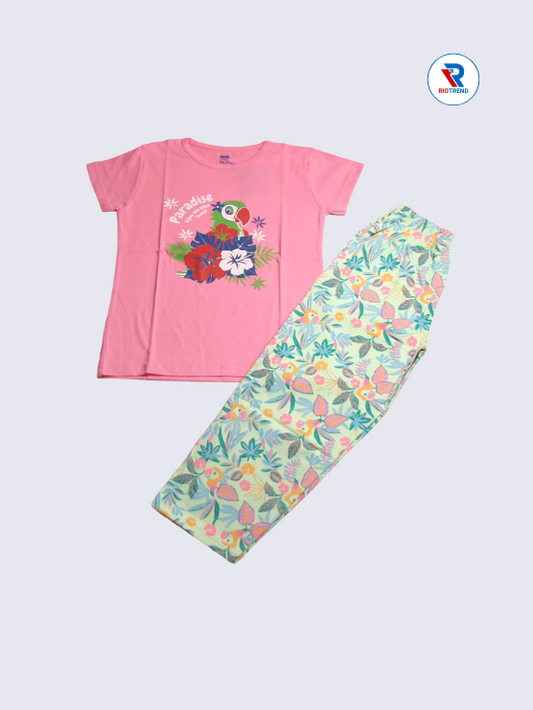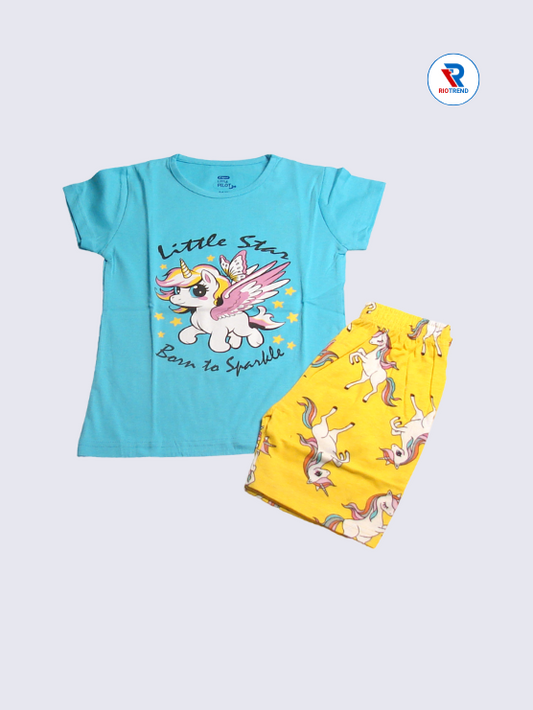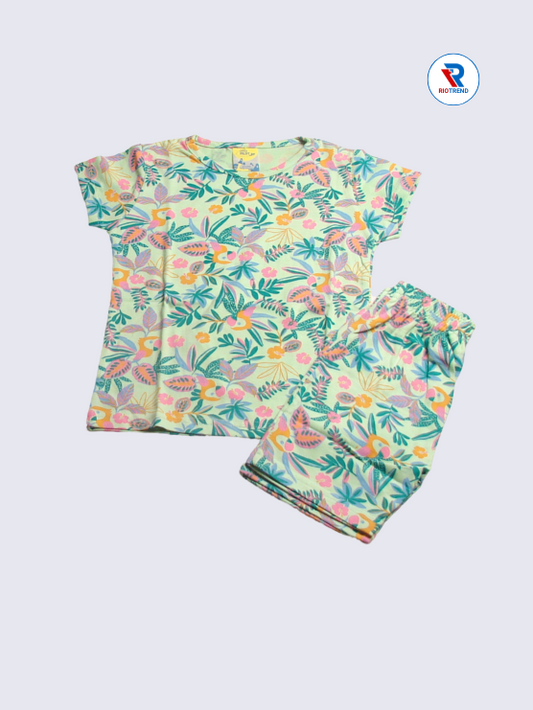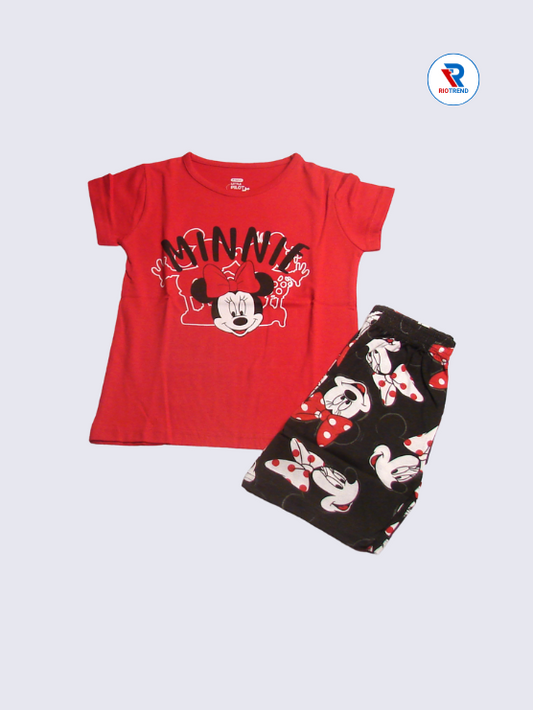


Have you ever wondered about those mysterious product codes you see when shopping online? Those alphanumeric combinations that appear on product pages, order confirmations, and receipts? They're called Stock Keeping Units, or SKUs, and they play a crucial role in making your online shopping experience smoother, more accurate, and more reliable. Let's explore what SKUs are and how they benefit you as an online shopper.
What Is a Stock Keeping Unit (SKU)?
A Stock Keeping Unit, commonly abbreviated as SKU, is a unique identifier assigned to each distinct product or product variation in a retailer's inventory. Think of it as a product's "fingerprint" – no two items share the same SKU within a store's system.
SKU codes are typically composed of letters and numbers that contain meaningful information about the product, such as its category, size, color, brand, or other distinguishing characteristics. For example, a red medium t-shirt might have a SKU like "TSHIRT-RED-M-001" while the same shirt in blue and large would have "TSHIRT-BLU-L-001."
Unlike universal product codes (UPCs) that are standardized across all retailers, SKUs are unique to each business and designed to meet their specific inventory management needs.
How Do SKUs Work in Online Shopping?
When you browse an online store, every product listing is connected to a specific SKU number. This connection ensures that when you click "Add to Cart," the system knows exactly which item you want – down to the specific size, color, and style variation.
Here's how the process works:
- Product Selection: You choose a specific product variation (color, size, etc.)
- SKU Assignment: The system identifies the corresponding SKU for that exact item
- Inventory Check: The system verifies that the SKU is available in stock
- Order Processing: Your order is processed using the SKU to ensure accuracy
- Fulfillment: Warehouse staff use the SKU to pick the correct item for shipping
This SKU system creates a seamless connection between what you see on your screen and what gets delivered to your door.
Why SKUs Matter for Your Shopping Experience
Accurate Product Identification
Product SKUs eliminate confusion when ordering items with multiple variations. Instead of relying on descriptions alone, the system uses the precise SKU to ensure you get exactly what you ordered.
Faster Customer Service
When you contact customer support about an order, providing the SKU from your receipt allows representatives to quickly locate your specific item and resolve issues more efficiently.
Better Inventory Accuracy
SKU management helps online stores maintain accurate stock levels, reducing the likelihood of ordering items that are actually out of stock.
Simplified Returns and Exchanges
SKUs make the return process smoother by helping customer service teams quickly identify the exact item you're returning and process exchanges for the correct replacement.
Enhanced Order Tracking
Your order confirmations and tracking information include SKUs, making it easy to verify that the right items are being shipped to you.
How SKUs Improve Online Shopping Reliability
Reduced Order Errors
By using unique inventory SKUs, online retailers can minimize mistakes in order fulfillment. Each SKU corresponds to one specific product variation, leaving no room for ambiguity about which item to ship.
Better Product Recommendations
SKU tracking helps online stores understand which products are popular and suggest similar items that might interest you based on your browsing and purchase history.
Accurate Product Availability
Real-time SKU inventory updates ensure that products showing as "in stock" are available, reducing the frustration of ordering back-ordered items.
Streamlined Reordering
When you want to purchase the same item again, the SKU in your order history makes it easy to find and reorder the same product variation.
Understanding SKU Information as a Shopper
Reading SKU Codes
While SKU codes vary by retailer, many follow logical patterns that you can learn to decode:
- Product category (SHIRT, SHOE, BOOK)
- Brand abbreviation (NIK for Nike, ADD for Adidas)
- Color codes (BLK for black, RED for red)
- Size indicators (S, M, L, XL or numerical sizes)
- Style numbers or seasonal codes
Where to Find SKUs
You can typically find product SKUs in several places:
- Product detail pages
- Shopping cart and checkout pages
- Order confirmation emails
- Receipts and invoices
- Customer account order history
- Product packaging and labels
Using SKUs for Better Shopping
Smart shoppers can use SKUs to:
- Quickly reference specific products when contacting customer service
- Compare prices across different websites (though SKUs are store-specific)
- Keep track of favorite products for future purchases
- Ensure accuracy when ordering multiple similar items
The Benefits of SKU Systems for Online Stores
Understanding how online retailers benefit from SKU management helps explain why your shopping experience is more reliable:
Inventory Control
Stockkeeping units allow retailers to track inventory levels for each product variation in real time, preventing overselling and stockouts.
Efficient Warehouse Operations
Warehouse staff can quickly locate and pick items using SKU codes, reducing fulfillment time and shipping delays.
Data Analytics
SKU tracking provides valuable insights into which products are selling well, helping retailers make informed decisions about inventory and marketing.
Automated Reordering
Many retailers use SKU data to automatically reorder popular items before they run out of stock.
Common SKU Formats and What They Mean
Different retailers use various SKU formats, but here are some common patterns:
Category-Based SKUs
- Format: CATEGORY-ATTRIBUTE-NUMBER
- Example: JEANS-BLUE-32W-001
- Meaning: Jeans, Blue color, 32-inch waist, style 001
Brand-Focused SKUs
- Format: BRAND-PRODUCT-SIZE-COLOR
- Example: ACME-SNEAKER-10-WHT
- Meaning: ACME brand sneaker, size 10, white color
Seasonal SKUs
- Format: SEASON-YEAR-PRODUCT-VARIANT
- Example: FALL23-SWEATER-WOOL-L
- Meaning: Fall 2023 wool sweater in large size
Hierarchical SKUs
- Format: DEPT-CATEGORY-SUBCATEGORY-ITEM
- Example: HOME-KITCHEN-APPLIANCE-BLENDER01
- Meaning: Home department, kitchen category, appliance subcategory, blender model 01
How SKUs Enhance Your Online Shopping Security
Order Verification
SKU numbers provide an additional layer of verification for your orders. You can cross-reference the SKUs on your receipt with the actual products you receive to ensure accuracy.
Fraud Prevention
Retailers use SKU tracking to identify unusual ordering patterns that might indicate fraudulent activity, helping protect both the business and legitimate customers.
Quality Control
Product SKUs help retailers track which specific batches or lots of products are associated with quality issues, enabling quick identification and resolution of problems.
Tips for Online Shoppers Using SKUs
Save Important SKUs
Keep a record of SKUs for products you love and want to repurchase. This makes reordering much easier and ensures you get the same item.
Reference SKUs in Communications
When contacting customer service, always mention the relevant SKU. This helps representatives assist you more quickly and accurately.
Check SKUs Before Ordering
Before completing a purchase, verify that the SKU shown matches the product variation you selected. This simple check can prevent ordering mistakes.
Use SKUs for Price Comparisons
While SKUs are store-specific, similar products often have similar naming conventions that can help you identify comparable items across different retailers.
The Future of SKUs in Online Shopping
The role of stock-keeping units continues to evolve with technology:
Enhanced Mobile Integration
Mobile shopping apps are making SKU information more accessible and user-friendly for shoppers on the go.
AI-Powered SKU Management
Artificial intelligence is helping retailers create more intuitive SKU systems and improve inventory accuracy.
Voice Commerce Integration
As voice shopping grows, SKU systems are being adapted to work with voice assistants for easier product identification.
Augmented Reality Shopping
AR applications are beginning to incorporate SKU information to provide more detailed product information during virtual try-on experiences.
Understanding SKUs Makes You a Smarter Shopper
By understanding what stock-keeping units are and how they work, you become a more informed and efficient online shopper. You can:
- Navigate customer service interactions more effectively
- Verify order accuracy more easily
- Reorder favorite products with confidence
- Understand why certain products might be unavailable
- Appreciate the complexity behind the simple "Add to Cart" button
SKU systems are the invisible infrastructure that makes modern e-commerce possible. They ensure that when you order a specific product online, that exact item – in the right size, color, and style – arrives at your doorstep.
Final Thoughts
Stock-keeping units are much more than random product codes – they're the foundation of reliable online shopping. These unique identifiers ensure accuracy, efficiency, and reliability in every aspect of your shopping experience, from browsing to delivery.
As an online shopper, understanding SKUs empowers you to shop more confidently and resolve issues more quickly. The next time you see those alphanumeric codes on a product page or receipt, you'll know they represent a sophisticated system designed to make your shopping experience as smooth and accurate as possible.
Whether you're ordering your first item online or you're a seasoned e-commerce veteran, appreciating the role of SKUs in your shopping journey helps you make the most of the digital marketplace.
What Is a Stock Keeping Unit? FAQ's
What's the difference between an SKU and a UPC code?
A SKU (Stock Keeping Unit) is created by individual retailers for their inventory management and is unique to each store. A UPC (Universal Product Code) is standardized across all retailers and manufacturers – the same product will have the same UPC everywhere it's sold. SKUs help stores manage their specific inventory, while UPCs help identify products universally across the entire supply chain.
Can I use a SKU to find the same product at different stores?
No, SKU codes are unique to each retailer, so you can't use one store's SKU to find the same product at another store. However, you can use the product information embedded in the SKU (like brand, color, and size) to search for similar items elsewhere. The UPC code, if available, would be better for finding the same product across different retailers.
Why do some products have long or confusing SKU numbers?
Product SKUs are designed for internal business use rather than customer convenience. Longer SKUs often contain more detailed information about the product's attributes, warehouse location, supplier information, or seasonal data. While they might look confusing, these detailed codes help retailers manage complex inventories more effectively, which ultimately benefits you through better stock accuracy and faster fulfillment.
What should I do if the SKU on my receipt doesn't match what I ordered?
If there's a SKU mismatch, contact customer service immediately with both the SKU from your receipt and details about what you ordered. This could indicate an error in your order processing. Keep your receipt and take photos of the product you received. Most retailers will quickly resolve SKU-related errors since they have detailed records of what each SKU represents.
Do I need to know or remember SKU numbers as a shopper?
You don't need to memorize SKU numbers, but it's helpful to know where to find them and how to use them. Save SKUs for products you love and want to reorder, and always reference the SKU when contacting customer service about specific items. Most shopping platforms make it easy to reorder by showing your purchase history with SKUs included.
Can SKUs tell me anything about product quality or authenticity?
Stock-keeping units primarily contain logistical information rather than quality indicators. However, legitimate retailers use consistent SKU formats and systems, so extremely random or inconsistent SKU patterns might be a red flag when shopping from unfamiliar sellers. For authenticity verification, rely on official product codes like UPCs, serial numbers, or manufacturer verification methods rather than SKUs alone.