
In today's digital age, online shopping has become the preferred method for buying goods and services. Whether you’re browsing your favorite e-commerce store or purchasing a subscription, understanding the model behind these transactions is crucial.
One of the most common transaction models you’ll encounter as an online shopper is B2C or business-to-consumer. But what exactly is B2C, and how does it impact your shopping experience? Let’s break it down in simple terms to help you understand its benefits as a shopper.
What is Business to Consumer (B2C)?
At its core, B2C refers to the direct sale of products or services from a business to an individual consumer. It is one of the most common models used in e-commerce today. In the traditional world of commerce, businesses (like manufacturers or wholesalers) often sold their goods to other businesses (like retailers) who then sold them to consumers. In contrast, B2C bypasses the middleman, allowing businesses to sell their products directly to you—the end consumer.
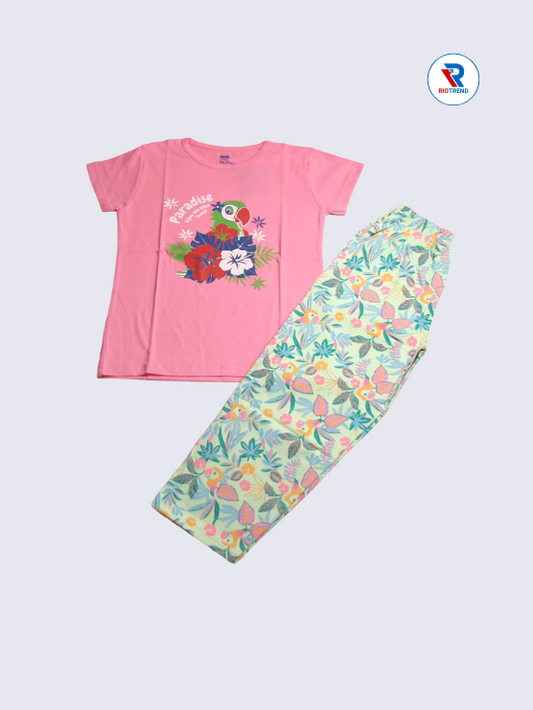
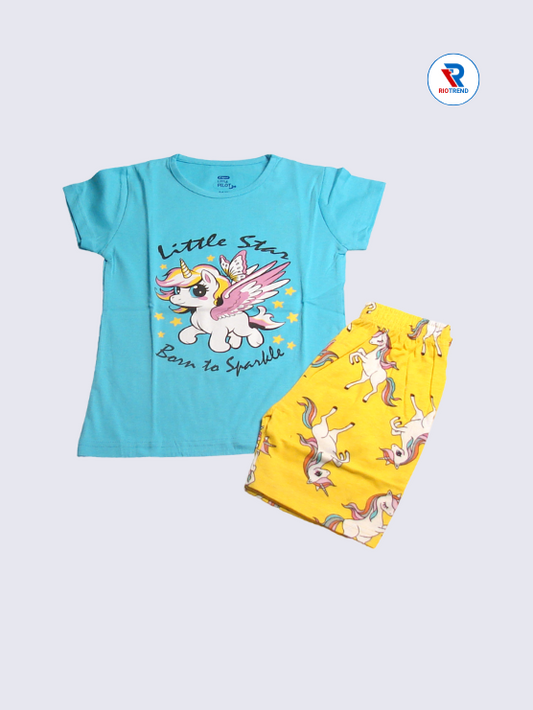
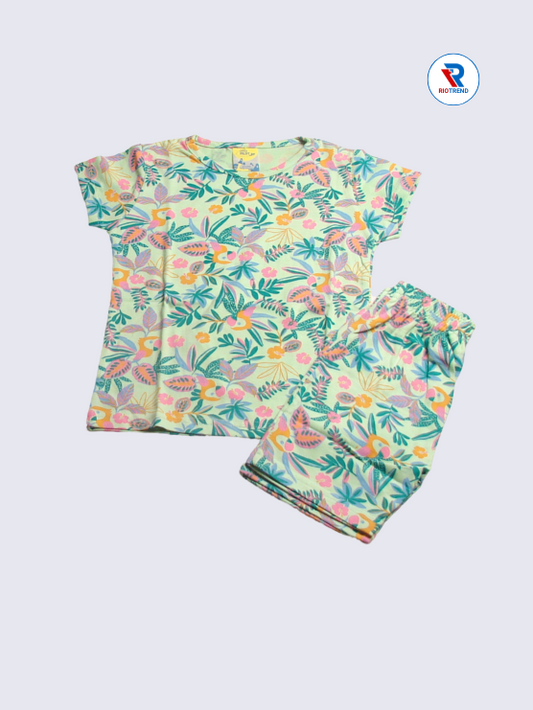
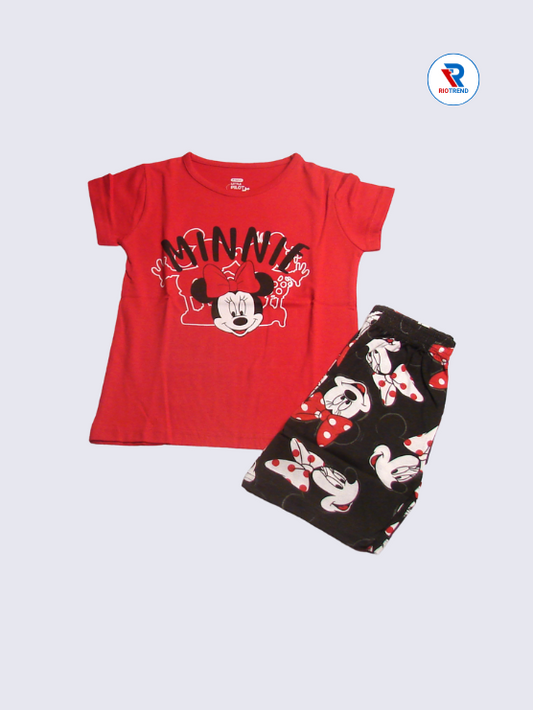
For example, when you visit an online store like RioTrend, Amazon, and purchase a product directly from them, you are engaging in a B2C transaction. The company is selling its product or service directly to you.
How Does B2C Work?
The B2C process is simple and user-friendly. Here’s how it works from a shopper’s perspective:
- Browse and Shop: You visit an online store or marketplace where businesses list their products. You can browse through various categories, read product descriptions, and check reviews to help you make an informed decision.
- Add to Cart: Once you find the products you want, you add them to your shopping cart. You can continue shopping or review your cart before proceeding to checkout.
- Checkout and Payment: At checkout, you’ll provide your payment details, like credit card information, or choose another method such as PayPal or Apple Pay. The online business processes your payment securely.
- Delivery or Pickup: After payment is confirmed, the business processes and ships your order. In some cases, if the store offers in-store pickup, you might opt to collect your order in person.
From start to finish, the process is designed to be quick, simple, and convenient for you as the consumer.
What is the Difference Between B2C and B2B?
While B2C is all about businesses selling directly to consumers, it’s important to distinguish it from B2B or business-to-business.
- B2C (Business to Consumer): This model involves companies that sell their products or services directly to individual consumers. Think of it as your typical online shopping experience where you're buying goods for personal use, such as clothes, gadgets, or even digital services like streaming.
- B2B (Business to Business): This model is where businesses sell goods and services to other businesses. For example, a company that manufactures office furniture may sell their products in bulk to corporate offices, not to individual consumers.
The key difference lies in the target audience. While B2C focuses on individual shoppers, B2B deals primarily with larger-scale purchases intended for business use.
Understanding B2C Models
B2C comes in various models depending on the type of goods or services being offered and how the transaction takes place. Let’s break down a few popular B2C models:
- Direct-to-Consumer (DTC): In this model, a company sells its products directly to consumers without involving any intermediaries. Companies like Warby Parker (eyewear) or Glossier (beauty products) are perfect examples of this model. By cutting out the middleman, businesses can offer lower prices and create a direct relationship with customers.
- Marketplace Model: This is where platforms like Amazon, eBay, or Etsy allow various businesses or individuals to list their products and consumers can purchase from them. These platforms act as intermediaries but still facilitate direct transactions between businesses and shoppers.
- Subscription Model: Businesses offer products or services regularly for a fixed price. Subscription services like Netflix, Spotify, or Dollar Shave Club are good examples. This model provides convenience and regular access to products, often at a discounted price.
- Freemium Model: In this model, businesses offer basic products or services for free, but charge for premium features or upgrades. Platforms like Spotify or LinkedIn use this model, where you get access to basic features for free but have to pay for advanced functionalities.
Benefits of Business to Consumer (B2C)
As a shopper, you enjoy several key benefits from the B2C shopping model, including:
Convenience and Accessibility
One of the biggest advantages of B2C shopping is the convenience it offers. You can shop at any time, from anywhere, without the need to leave your house. Whether you're using your phone during your commute or shopping late at night, B2C e-commerce platforms are open 24/7.
Wide Variety of Products
B2C platforms often offer a vast array of products, from a wide variety of brands and sellers. This variety means that you're more likely to find exactly what you're looking for—whether it's the latest gadget, clothing, or a unique handmade item.
Easy Comparison Shopping
Unlike in brick-and-mortar stores, online shopping allows you to easily compare prices and read customer reviews to make more informed decisions. B2C platforms usually provide filters and sorting options, enabling you to narrow down your search based on criteria like price, brand, or rating.
Better Deals and Discounts
Because businesses sell directly to you, many offer exclusive online-only deals, flash sales, or promotional discounts. B2C transactions are often more price-competitive, and companies frequently offer seasonal sales or clearances to attract shoppers.
Access to Reviews and Ratings
Before making a purchase, you can often read reviews from other customers who have purchased the same product. This social proof can help you make more confident buying decisions and avoid potential regrets.
Challenges in Business to Consumer (B2C)
While B2C shopping offers numerous benefits, there are also a few challenges you might face:
- Shipping Costs and Delays: Many shoppers are frustrated by high shipping fees or delayed deliveries, especially for international orders. Some e-commerce platforms are working to reduce these problems with faster shipping options or free delivery incentives.
- Product Returns: Returning a product purchased online can be more complicated than simply taking it back to a physical store. Some businesses have complicated return policies or restocking fees, which can be frustrating.
- Security Concerns: With increasing numbers of cyberattacks, it’s essential to shop on secure sites. Always look for HTTPS encryption and trusted payment gateways to ensure that your personal and payment information is protected.
Final Thoughts
Understanding B2C is key to becoming a smarter online shopper. It simplifies your shopping experience by connecting you directly to businesses and offering you convenience, competitive pricing, and an array of products. With just a few clicks, you can browse, buy, and have your products delivered right to your door, all thanks to the B2C model.
What is Business to Consumer (B2C) FAQs
How do I know if a B2C website is safe to use?
Look for security indicators like HTTPS in the website URL, read customer reviews, and check for a visible privacy policy and contact details.
Can I return a product bought from a B2C website?
Most B2C companies have return policies, but they can vary. Be sure to check the return policy before purchasing.
What payment options are available on B2C websites?
Popular payment methods include credit/debit cards, PayPal, Apple Pay, and sometimes even cash on delivery (COD).
How do B2C websites make sure my payment information is safe?
They use encryption methods like SSL (Secure Sockets Layer) to protect your payment details during the transaction process.
Can I trust the reviews on B2C websites?
Many B2C sites use customer reviews to help other shoppers make informed decisions. While reviews are generally reliable, always check for patterns and read multiple reviews to get a clearer picture.