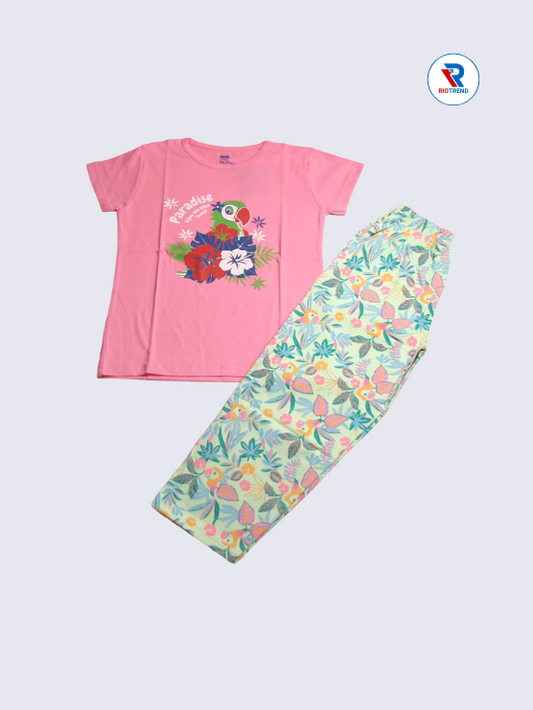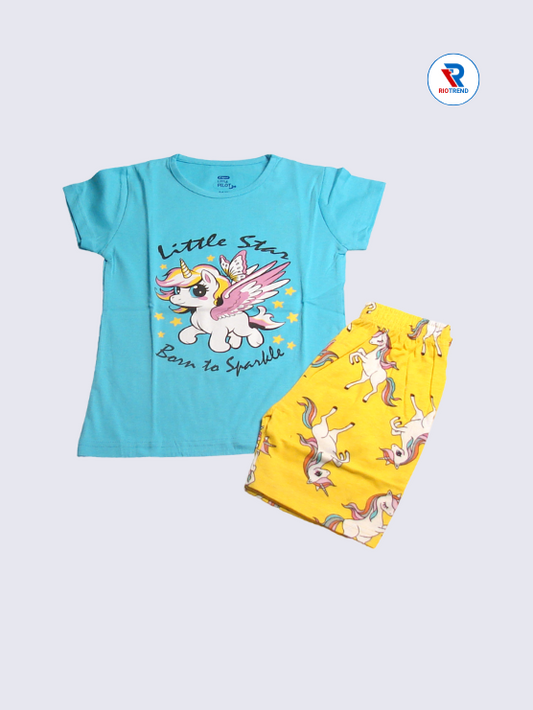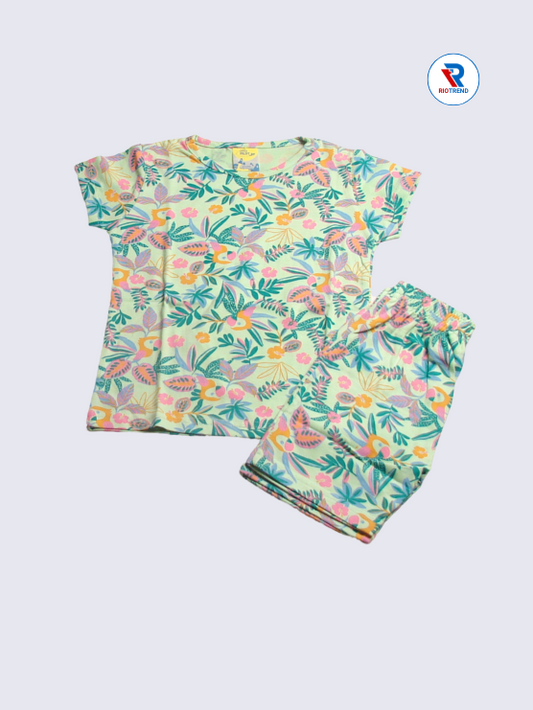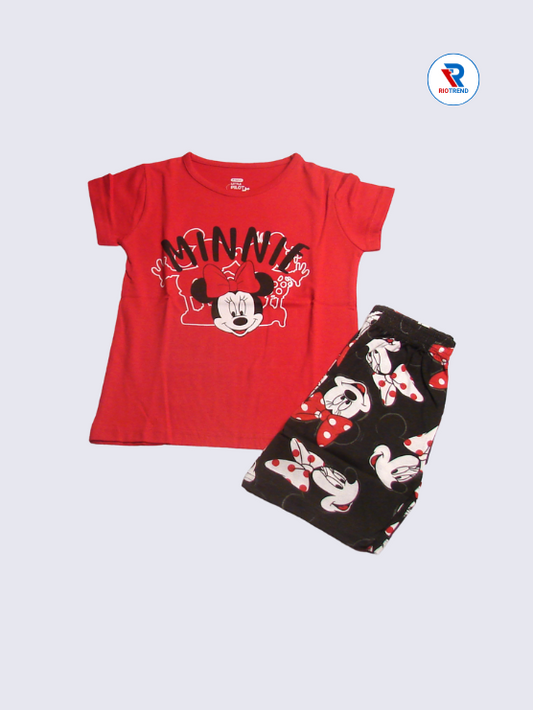

Imagine ordering a t-shirt with your favorite quote, a coffee mug featuring your pet's photo, or a phone case with your family portrait—and having it created specifically for you, only after you place the order. No mass production, no warehouse storage, no pre-existing inventory. This is the magic of print on demand, a revolutionary business model that's transforming how Indians shop for customized products online.
You've probably encountered print on demand products without realizing it: personalized gifts on e-commerce platforms, custom merchandise from content creators, or unique designs on products that ship "3-5 days after order confirmation" rather than immediately. While traditional retail involves manufacturing thousands of units hoping someone will buy them, print on demand flips this model—products are created only when you order them, printed and shipped directly to your doorstep.
According to recent market research, India's custom merchandise and personalized products market is growing at 25% annually, driven largely by print on demand technology. But as a shopper, how does this affect you? What should you know before buying POD products? Are they quality comparable to regular retail items? Why do they cost what they cost, and take as long as they take?
In this comprehensive guide, you'll discover everything about print on demand from a shopper's perspective—what it is, how it works, what products are available, quality expectations, pricing considerations, and how to make smart purchasing decisions when buying custom-printed items online. Whether you're shopping for personalized gifts, unique apparel, or custom home décor, this guide ensures you know exactly what you're getting.
What Is Print on Demand?
Print on demand (POD) is a business model and production method where products are manufactured individually, only after a customer places an order, rather than being mass-produced and stored in warehouses waiting for buyers. The "demand" in print on demand refers to customer demand—your order creates the demand that triggers production.
Here's how it differs from traditional retail: When you buy a regular t-shirt from a traditional store (online or offline), that t-shirt was manufactured weeks or months ago, possibly in batches of thousands, shipped to a warehouse, and then sent to you from existing inventory. The design, size, and color already existed before you decided to buy it.
With print on demand, when you order a t-shirt with a custom design, that specific t-shirt doesn't exist yet. Your order triggers the production process: a blank t-shirt is sourced, your chosen design is printed on it using specialized printing technology, the product is quality-checked, packaged, and then shipped to you. This entire process happens because you ordered it—hence "on demand."
The term "print on demand" originated from the publishing industry where books were printed only when ordered, rather than printing 5,000 copies hoping they'd sell. The concept has now expanded to encompass virtually any product that can be customized through printing, embroidery, engraving, or similar personalization techniques.
For Indian shoppers, print on demand manifests in several forms. When you customize a phone case with your photo on an e-commerce platform, that's print on demand. When you order a personalized nameplate for your home with custom text and design, that's print on demand. When you buy a unique t-shirt design from an independent artist's online store, chances are it's print on demand. Even many "custom gifts" like photo mugs, personalized calendars, and customized stationery operate on this model.
The technology enabling print on demand includes digital printing (direct-to-garment for apparel, UV printing for hard surfaces), sublimation printing (for polyester fabrics and coated items), laser engraving (for wood, metal, leather), and embroidery (for fabric decoration). These technologies allow high-quality customization without the setup costs and minimum order quantities required by traditional manufacturing.
On-demand printing offers unique advantages to you as a shopper: access to unlimited design variety (not limited to what manufacturers decided to produce), ability to personalize products with your own images/text, support for independent artists and small creators, and availability of niche designs that wouldn't be economically viable through traditional mass production.
However, it also comes with trade-offs: longer production and shipping times (since items are made after ordering), generally higher per-unit prices compared to mass-produced equivalents, variable quality depending on the production facility, and limited ability to see/touch products before purchase since they don't exist until you order them.
How Does Print on Demand Work for Shoppers?
Understanding the print on demand workflow from order to delivery helps set realistic expectations about timelines, quality, and costs. Here's what happens behind the scenes when you order a custom product.
Step 1: Product Selection and Customization: You browse an online store and select a product type (t-shirt, mug, poster, phone case, cushion cover, etc.). The product exists as a "blank" template—a plain white t-shirt, blank coffee mug, or empty phone case. You then customize it by uploading your own design/photo, choosing from available design galleries, entering custom text, selecting colors, sizes, or other variables.
The platform's design interface allows you to position, resize, rotate, and preview how your customization will look on the final product. Some platforms offer design tools with templates, clip art, and fonts to help create professional-looking designs even without graphic design skills. Once satisfied with the preview, you proceed to checkout.
Step 2: Order Processing and Payment: After you pay (typically ₹300-₹2,000 depending on product), your order details—including design files, product specifications, shipping address, and customization instructions—are automatically transmitted to a production facility. This facility might be located in India (increasingly common) or internationally (still prevalent for certain products).
The payment you make covers several components: base product cost (the blank item), printing/customization cost, production labor, packaging materials, shipping charges, and platform/seller margins. Understanding this cost breakdown helps explain why custom items often cost more than mass-produced equivalents.
Step 3: Design Preparation and Production Queue: At the production facility, your design file undergoes preparation—color correction, resolution optimization, sizing adjustment, and format conversion to be compatible with printing equipment. This preparation ensures the printed output matches your expectations as closely as possible.
Your order then enters the production queue. Unlike Amazon where millions of products sit ready to ship, print on demand facilities process orders sequentially or in small batches. During busy periods (festivals, sale events, wedding seasons), queues lengthen, affecting production timelines. This explains why delivery estimates are 5-10 days rather than 1-2 days.
Step 4: Printing and Customization: A technician retrieves the blank base product (t-shirt, mug, etc.) from inventory, loads it onto the printing equipment, and initiates the printing process. For apparel, direct-to-garment printers spray ink directly onto fabric. For mugs and hard surfaces, sublimation or UV printing transfers designs onto the surface. For paper products, digital printers create high-resolution outputs.
The printing process takes minutes to hours depending on product complexity and technology used. After printing, products undergo curing (heat treatment to set inks permanently), cooling, and quality inspection to ensure printing clarity, color accuracy, proper alignment, and absence of defects.
Step 5: Quality Check and Packaging: Quality-conscious facilities inspect each product for printing defects, alignment issues, color variations, or damage. Approved products are carefully packaged—apparel folded and packed in plastic bags, mugs wrapped in bubble wrap, frames protected with corner guards, etc.—to survive shipping transit.
Packaging quality varies significantly between production facilities. Premium services use branded packaging with protective materials; budget services use minimal packaging. This quality difference affects product condition upon delivery and is often reflected in pricing.
Step 6: Shipping and Delivery: The packaged product is handed to logistics partners for delivery. Domestic production (India-based facilities) typically delivers within 5-7 days via standard courier services. International production (common for specialized products) takes 10-20 days depending on origin country and customs clearance.
Tracking information is usually provided, though accuracy varies. International shipments might have tracking gaps during international transit and customs processing. This extended timeline is the most significant trade-off of print on demand compared to traditional e-commerce's 2-3 day deliveries.
Step 7: Receipt and Evaluation: Upon receiving your personalized product, inspect it immediately. Check printing quality (sharpness, color accuracy, alignment), product quality (material, stitching, finishing), and compare against your preview. Most print on demand sellers offer returns or replacements for production defects, but customized products are typically non-returnable for subjective reasons (don't like the design, changed mind).
Understanding this workflow helps you make informed decisions about when to order (allow extra time for gifts/events), what to expect (quality range, possible variations from preview), and how to evaluate if the value proposition makes sense for your needs.
Types of Print on Demand Products Available
The print on demand ecosystem has expanded dramatically, offering Indian shoppers an incredible variety of customizable items across numerous categories. Understanding available options helps you discover creative gift ideas and personal purchases you might not have considered.
Apparel and Fashion
T-shirts and Casual Wear: The most common POD category, available in numerous styles (crew neck, V-neck, polo), fabrics (100% cotton, polyester blends, premium fabrics), colors, and sizes (XS to 5XL). Pricing ranges from ₹400-₹1,200 depending on fabric quality and printing complexity. Popular for personal expression, matching family outfits, group events (college festivals, corporate teams), and fan merchandise.
Hoodies and Sweatshirts: Winter wear with custom designs, ideal for gifting or personal style. Prices range ₹800-₹2,000. Higher quality fabrics and printing durability are crucial since hoodies represent significant investment and receive heavy use during winter months.
Activewear and Athleisure: Sports t-shirts, yoga pants, gym wear with custom motivational quotes or personal designs. Prices ₹500-₹1,500. Ensure moisture-wicking fabrics and durable printing since activewear endures frequent washing and stretching.
Accessories: Caps, socks, tote bags, aprons, bandanas with custom printing. Prices ₹250-₹800. Excellent affordable gifting options or promotional items for small events.
Home and Living
Cushions and Pillows: Custom printed cushion covers or complete cushions featuring photos, quotes, or designs. Prices ₹300-₹800 for covers, ₹500-₹1,200 with filling. Popular for home décor and personalized gifting, especially for housewarmings and weddings.
Wall Art and Posters: Custom posters, canvas prints, framed prints, metal prints featuring personal photos, artwork, or designs. Prices range from ₹400 (simple posters) to ₹3,000+ (large framed canvas). Quality varies dramatically—check printing resolution, paper/canvas quality, and frame durability.
Home Textiles: Bed sheets, blankets, curtains, table runners with custom designs. Prices ₹800-₹3,000. Less common in Indian POD market but growing. Verify fabric quality and washing durability before ordering.
Kitchen Items: Cutting boards, coasters, placemats, oven mitts with custom designs. Prices ₹300-₹1,000. Practical gifts with personal touch, especially for housewarmings or wedding gifts.
Drinkware and Tableware
Coffee Mugs: The classic personalized gift, available in ceramic, bone china, and magic (heat-sensitive) variants. Prices ₹250-₹600. Ensure dishwasher and microwave safety if relevant to usage.
Water Bottles and Tumblers: Stainless steel or plastic bottles with custom designs. Prices ₹400-₹1,200. Verify printing durability since bottles undergo frequent handling and washing.
Glassware: Wine glasses, beer mugs, shot glasses with engraved or printed designs. Prices ₹400-₹1,000. Premium gifting option for special occasions.
Tech Accessories
Phone Cases: Available for virtually all smartphone models, in materials from silicone to hard plastic to leather. Prices ₹300-₹800. Most popular tech POD item. Verify case compatibility with your exact phone model and variant.
Laptop Skins and Sleeves: Custom designs for various laptop sizes. Prices ₹400-₹1,200. Ensure size accuracy and quality adhesive for skins.
Mouse Pads and Desk Mats: Custom printed desk accessories. Prices ₹200-₹800. Affordable personalization for workspace.
PopSockets and Phone Grips: Small but popular customizable phone accessories. Prices ₹150-₹400.
Stationery and Paper Products
Notebooks and Journals: Custom cover designs on various notebook types. Prices ₹200-₹600. Popular for students, professionals, and journaling enthusiasts.
Calendars: Personalized photo calendars with custom photos for each month. Prices ₹400-₹1,000. Excellent annual gift option for family and close friends.
Greeting Cards: Custom designed cards for birthdays, anniversaries, festivals. Prices ₹50-₹200. More personal than generic store-bought cards.
Planners and Organizers: Customized planners with personal touches. Prices ₹500-₹1,200.
Personalized Gifts
Photo Gifts: Items specifically designed to showcase personal photographs—photo frames, photo books, photo lamps, photo clocks. Prices ₹400-₹2,500. Highly sentimental gifting category.
Name and Monogram Items: Products featuring names, initials, or monograms—nameplates, keychains, name necklaces, personalized stamps. Prices ₹200-₹1,500. Popular for identity items and personalized gifts.
Event-Specific Items: Customized products for weddings, birthdays, anniversaries—invitation cards, thank you cards, wedding favors, birthday banners. Prices vary widely.
Understanding this product diversity helps you discover creative applications for custom printing in your life—from everyday personal use to meaningful gifting to special event needs.
Why Print on Demand Products Cost What They Cost
Understanding print on demand pricing helps Indian shoppers evaluate value and make informed decisions about when custom products justify their cost versus when mass-produced alternatives make more sense.
The Economics of Individual Production: Traditional manufacturing achieves economy of scale—manufacturing 10,000 t-shirts costs only slightly more than manufacturing 5,000, making per-unit cost minimal. Print on demand operates inversely—each product is individually made with similar labor and material costs regardless of whether it's the first or thousandth order.
When you order a custom t-shirt at ₹600, here's the approximate cost breakdown: blank t-shirt (₹200-₹250), printing cost (₹80-₹120 including ink, equipment depreciation, electricity), labor (₹40-₹60 for design preparation, printing, quality check, packing), packaging (₹20-₹30), shipping (₹40-₹60), platform commission/seller margin (₹100-₹150). This explains why a custom printed t-shirt costs ₹600 while a mass-produced branded t-shirt might cost ₹400—despite appearing similar.
Quality Tier Pricing: Print on demand products exist across quality tiers affecting pricing significantly. Budget tier (₹300-₹500 for t-shirts) uses basic cotton fabrics, standard printing, minimal packaging, and basic quality control. Mid-tier (₹500-₹800) uses better fabrics, superior printing technology, better packaging, and stricter quality control. Premium tier (₹800-₹1,500) uses premium fabrics (organic cotton, bamboo blends), advanced printing techniques, branded packaging, and comprehensive quality assurance.
The visible difference isn't always obvious in product photos, but becomes apparent in hand-feel, wash durability, color vibrancy, and printing longevity. A ₹400 custom t-shirt might fade after 10 washes; a ₹1,000 premium version maintains quality through 50+ washes.
Design Complexity Impact: Some sellers price based on design complexity. Single-color simple designs cost less (₹400-₹500) than full-color photographic prints (₹600-₹800) because they consume less ink, require less color calibration, and process faster. Large prints covering entire product surfaces cost more than small logo prints due to increased ink usage and printing time.
Customization Level Pricing: Basic customization (choose from pre-designed templates) often costs less than full customization (upload your own design) because template designs are pre-optimized for printing, requiring less design preparation work. Fully custom designs with text placement, multiple images, and complex layouts require manual design assistance, increasing cost.
Production Location Economics: India-based production typically costs ₹100-₹200 less than international production for similar products because of lower labor costs and eliminated international shipping. However, international facilities often offer superior quality or specialized products unavailable domestically, justifying the premium for certain orders.
Speed Premiums: Some POD services offer rush production (3-day delivery instead of 7-day) at ₹100-₹300 premium. The faster turnaround requires priority queue placement and potentially overtime labor, justifying the additional cost.
Minimum Order Quantities: Unlike traditional bulk ordering where 10 items cost significantly less per unit than 1 item, print on demand pricing is relatively flat. Ordering 5 custom mugs might cost ₹450 each (total ₹2,250) versus ₹500 for a single mug—only ₹50 discount per unit despite 5x order size. This is because each mug still requires individual printing and processing.
Value Perspective for Shoppers: The question isn't "Why does this custom t-shirt cost ₹600 when branded t-shirts cost ₹400?" but rather "Does having my exact design on this t-shirt justify ₹600?" For a unique gift expressing personal sentiment, absolutely. For a basic wardrobe item, probably not. The value lies in customization, uniqueness, and personalization—not in the base product quality compared to mass-market alternatives.
Smart shoppers recognize when personalized merchandise justifies premium pricing (meaningful gifts, special events, unique self-expression) versus when mass-produced products suffice (basic functional items, bulk purchases, trend-following fashion).
Quality Expectations: What You Should Know
Setting realistic quality expectations prevents disappointment when ordering print on demand products. Understanding what's achievable, what varies, and what to watch for ensures satisfactory purchases.
Printing Quality Variability: Unlike mass-produced products where every unit is identical, POD products show slight variation between orders. Two customers ordering identical designs might receive products with subtle differences in color tone, print sharpness, or positioning due to different production batches, printer calibration variations, or operator differences.
This variability is normal within tolerances. However, significant quality issues—severe misalignment, color completely wrong, printing blurry or pixelated—represent production defects warranting replacement. Photos you provide should be high-resolution (minimum 300 DPI, ideally 1500+ pixels width for t-shirt chest prints) to ensure sharp printing. Low-resolution images produce blurry, pixelated results—not a quality defect but a design file issue.
Material Quality Range: The base product quality varies dramatically between sellers and price points. A ₹400 custom t-shirt might use 160 GSM cotton with average stitching; a ₹1,000 version might use 200 GSM premium cotton with reinforced stitching. Both are "custom t-shirts," but comfort, durability, and perceived quality differ substantially.
Read product descriptions carefully for material specifications (GSM for fabrics, ceramic type for mugs, paper quality for prints). Higher GSM generally means thicker, more durable fabric. 100% cotton breathes better but wrinkles more; cotton-polyester blends wrinkle less but might feel less premium. Ceramic quality affects mug durability and weight perception.
Print Durability Considerations: Not all printing methods are equally durable. Direct-to-garment (DTG) printing on cotton fades gradually over many washes (expect good quality for 30-50 washes with proper care). Sublimation on polyester is extremely durable, often lasting the product's lifetime. Vinyl printing (heat transfer) can crack or peel if low quality.
For mugs, sublimation printing is permanent and dishwasher-safe. Vinyl wraps can peel over time with dishwasher use. For phone cases, UV printing is durable but can scratch with rough handling. Understanding these durability differences helps set expectations and informs care instructions.
Color Accuracy Challenges: Your device screen shows colors in RGB (red, green, blue light). Printing uses CMYK (cyan, magenta, yellow, black ink) or other physical ink combinations. This fundamental difference means printed colors never exactly match screen colors. Expect slight variations—brighter screens might make prints seem slightly duller; color-calibrated screens produce closer matches.
Fluorescent colors (bright neon shades) are particularly problematic—appearing vibrant on screen but printing duller because physical inks can't reproduce the luminosity of light. Black and white designs have highest accuracy; complex multi-color designs have most potential for color shift.
Production Inconsistencies: Manual production introduces human variability. Design positioning might be 5-10mm different from preview, centering might be slightly off, print size might vary by 5-10% from specification. Professional facilities minimize this through precise jigs and measurement tools, but perfection isn't guaranteed.
If you're extremely particular about exact positioning, measurements, or color matching (professional use, business branding), communicate detailed requirements to sellers and request proof prints before full orders. For personal use and gifting, accept minor variations as inherent to on-demand production.
Realistic Comparison Benchmarks: Compare POD products to equivalent mass-market customs, not to premium retail products. A ₹600 custom t-shirt should be compared to a ₹500-₹700 regular retail t-shirt quality-wise, not to a ₹1,500 premium brand t-shirt. Setting appropriate comparison points prevents unrealistic expectations.
Inspection Upon Receipt: Immediately upon delivery, inspect products thoroughly. Check printing quality (clarity, color, alignment, completeness), product quality (material, stitching, finishing, damage), and compare to preview. Document any issues with photos. Most sellers have 24-48 hour windows for raising quality complaints, after which returns become difficult.
Understanding these quality nuances helps you order confidently, care for products appropriately (following washing/handling instructions), and evaluate whether issues are genuine defects (warranting replacement) or normal variations (acceptable within POD parameters).
Advantages of Print on Demand for Shoppers
While print on demand has trade-offs, it offers unique benefits that make it increasingly popular among Indian online shoppers seeking customized products and personalized merchandise.
Unlimited Design Possibilities: Traditional retail is limited to designs manufacturers predict will sell. POD enables literally infinite design variations. Want a t-shirt with your dog's photo? A mug with your grandmother's handwritten recipe? A cushion with your child's artwork? All possible through print on demand. This unlimited creativity allows truly personal expression impossible through mass-market products.
For Indian shoppers, this includes culturally specific designs not widely available commercially—regional language quotes, local festival themes, specific community symbols, or family traditions. You're no longer limited to what mainstream manufacturers think "India" means; you can express your specific subcultural identity.
Meaningful Personalization for Gifting: Indians excel at relationship-based culture where thoughtful gifting matters. POD transforms gifting from generic ("bought a coffee mug") to deeply personal ("created a mug with our favorite family photo from Goa vacation"). This emotional value often exceeds the product's monetary value.
For life events—birthdays, anniversaries, weddings, housewarmings, farewells—personalized gifts demonstrate thought and effort. A ₹600 custom photo cushion with meaningful memories can be more cherished than a ₹2,000 generic decorative item. POD enables affordable meaningful gifting that strengthens relationships.
Supporting Independent Creators and Artists: Many POD platforms allow independent artists, illustrators, and designers to sell merchandise featuring their artwork without inventory investment. When you buy designs from independent creators, you're directly supporting artistic livelihoods while accessing unique designs unavailable through mainstream channels.
This is particularly valuable in India's growing creative economy where talented artists seek sustainable income models. Your purchase might help a struggling illustrator continue creating art full-time rather than abandoning creativity for conventional employment.
Zero Inventory Risk for Buyers: Traditional retail requires manufacturers to predict demand, often leading to limited size/color availability ("Sorry, we only have XL in blue"). POD products are made on demand, so availability isn't inventory-dependent. If the base product exists (blank t-shirts, mugs, etc.), your custom version can be created regardless of how many others ordered similar items.
This particularly helps for unusual sizes, less popular colors, or niche products. Need a 4XL custom t-shirt? POD makes it as easy as ordering M size. Want a custom design on a less popular mug color? No problem. This flexibility ensures everyone finds what they need regardless of how "mainstream" their requirements are.
Try Before Committing to Bulk: For events requiring multiple items (wedding favors, corporate gifts, team uniforms), POD allows ordering a sample first. Order one custom keychain design, verify quality and appearance, then order 50 more with confidence. Traditional bulk ordering often requires committing to large quantities before seeing final products.
This sample-then-scale approach reduces risk of disappointing results for important events. Investing ₹300 in a sample prevents potential ₹15,000 loss on 50 items that don't meet expectations.
Eco-Friendly Consumption: Traditional retail produces inventory waste—unsold products eventually discarded when trends change. POD eliminates overproduction waste since items are made only when purchased. For environmentally conscious shoppers, this on-demand model aligns with sustainable consumption principles.
Additionally, buying one custom t-shirt you'll treasure beats buying three fast-fashion t-shirts you'll discard within months. Quality over quantity, enabled by personalization creating emotional attachment, reduces overall consumption and waste.
Access to Niche and Specialty Products: Some products are economically non-viable through traditional manufacturing due to limited market size. POD makes niche products available—specific fandom merchandise, regional language products, extremely specific joke t-shirts, unusual size combinations—because there's no inventory risk.
For Indian markets, this includes regional festival merchandise, state-specific cultural products, community-specific designs, and local language materials that large manufacturers ignore due to limited scale. POD democratizes product access regardless of market size.
Flexibility and Experimentation: POD allows trying multiple products without significant investment. Want to see if you like using custom mugs? Order one for ₹400 rather than committing to a set of six. Curious about custom phone cases? Try one design before deciding it's worthwhile. This flexibility enables experimentation impossible with traditional minimum-order requirements.
For personal branding (content creators, small business owners, professionals), POD allows testing merchandise ideas with minimal investment. Create 10 designs, see which sells, iterate based on feedback—all without inventory investment.
Disadvantages and Limitations to Consider
While print on demand offers unique benefits, understanding its limitations helps you make informed decisions about when POD products make sense versus when alternatives are better.
Extended Production and Delivery Times: The most significant POD limitation is waiting. Traditional e-commerce delivers in 2-5 days; POD typically requires 7-15 days (domestic production) or 15-25 days (international production). This delay results from sequential workflow—design preparation, queue waiting, production, quality check, packing, then shipping.
For time-sensitive needs (gifts for events in 3 days, urgent replacement items), POD often doesn't work. Plan purchases well in advance, especially for birthdays, anniversaries, or festivals. The "need it now" convenience of mainstream e-commerce doesn't exist in POD shopping.
Higher Per-Unit Costs: As discussed earlier, individually-made products cost more than mass-produced equivalents. A plain coffee mug costs ₹150-₹200; a custom printed mug costs ₹400-₹600. If your need is "functional coffee mug," the premium for customization might not justify the cost. But if your need is "meaningful gift expressing specific sentiment," the premium makes perfect sense.
Recognize this cost difference reflects the business model, not overpricing. Evaluate purchases based on the value of customization/personalization to your specific need, not just product functionality.
Quality Inconsistency: Unlike established brands with strict quality control, POD quality varies between sellers, production facilities, and even between orders from the same seller. One customer might receive excellent quality; another might receive mediocre results. This inconsistency creates purchasing uncertainty.
Mitigate this through review research, starting with low-value test orders, and choosing sellers with demonstrated quality track records. But accept some quality variance as inherent to the model—expecting absolute consistency sets you up for disappointment.
Limited Return and Exchange Options: Most POD sellers don't accept returns for subjective reasons ("don't like the color," "changed my mind," "doesn't match my décor") because products are custom-made per your specifications. Returns are typically only accepted for production defects (printing errors, damaged products, wrong items shipped).
This limited return policy means getting decisions right upfront matters more. Double-check designs, verify sizes, confirm color choices, and ensure alignment with needs before ordering. The flexibility of mainstream e-commerce's easy returns doesn't apply to customized products.
Preview vs. Reality Gaps: Online design previews show approximations of final products, not exact representations. Colors appear different printed versus on screen. Print size and positioning might vary slightly. Material texture and feel can't be conveyed digitally. This preview-reality gap occasionally leads to disappointment when physical products don't match expectations set by digital previews.
Manage expectations by recognizing previews as guides, not guarantees. Read product descriptions thoroughly for material details, check reviews for real-world photos and feedback, and understand that some variation is normal.
Limited Bulk Discount Benefits: Traditional manufacturing offers dramatic bulk discounts—10 units might cost 30% less per unit than 1 unit. POD bulk discounts are minimal—10 custom mugs might be ₹450 each versus ₹500 for a single mug, only 10% savings. If you need 50 identical items, traditional bulk ordering is more economical than POD.
POD works best for small quantities (1-10 units) or when each unit requires different customization (50 wedding favors with 50 different guest names). For large quantities of identical items, explore traditional custom printing services offering proper bulk discounts.
Design Limitations and Restrictions: Each POD product has design constraints—printable area dimensions, acceptable file formats, resolution requirements, color mode restrictions. Complex designs might be rejected or require modification. Multi-sided printing (front and back) often costs extra. These technical limitations constrain creative freedom.
Additionally, copyright and trademark restrictions prevent using certain images, logos, or branded content without authorization. Sellers might reject designs containing copyrighted characters, brand logos, or celebrity photos to avoid legal issues. This protects everyone but limits what you can create.
Dependency on Third-Party Production: When ordering POD products, you're dependent on production facilities you've never seen, operated by people you don't know, using quality standards you can't verify. This black-box nature creates uncertainty. Traditional retail involves established brands with reputations to protect; POD often involves anonymous production facilities prioritizing cost over quality.
Choose sellers carefully, prioritize those with transparent production information, extensive reviews, and clear quality commitments. But recognize some uncertainty is inherent to the indirect production model.
Environmental Considerations of Shipping: While POD reduces production waste, the shipping model has environmental costs. Individual shipments for single items create more packaging waste and carbon emissions per unit than bulk shipments to warehouses then consolidated final-mile delivery. For environmentally conscious shoppers, this is a consideration in overall impact assessment.
Understanding these limitations helps set realistic expectations and make informed choices about when POD products serve your needs well versus when alternatives (mass-market products, traditional bulk printing, or different product categories entirely) make more sense.
How to Make Smart Print on Demand Purchases
Maximizing value and minimizing disappointment when shopping for print on demand products requires strategic approaches specific to this shopping category.
Research Sellers Thoroughly
Not all POD sellers deliver equal quality, reliability, or service. Spend 30-60 minutes researching before ordering, especially for first-time purchases or higher-value items. Check overall ratings (prefer sellers above 4.2/5 stars with hundreds of reviews). Read recent reviews (last 30-60 days) since quality can change with production facility changes or seller turnover.
Pay special attention to reviews mentioning printing quality, color accuracy, material quality, packaging, delivery timelines, and responsiveness to issues. If 10+ reviews mention "colors much darker than preview" or "print peeling after first wash," consider that a red flag regardless of overall positive rating.
Check seller policies: return/replacement policies for defects, production timeline commitments, shipping methods and tracking, customer support responsiveness. Sellers with clear, customer-friendly policies demonstrate professionalism and confidence in quality.
Provide High-Quality Design Files
The quality of your input directly affects output quality. For photo-based designs (photo mugs, cushions, canvas prints), use the highest resolution photos available—minimum 1500 x 1500 pixels, ideally 3000+ pixels for large prints. Avoid screenshots, heavily compressed images, or images downloaded from social media (these are low-resolution and will print poorly).
If using text, choose simple, readable fonts. Avoid extremely thin or decorative fonts that might not print clearly. Ensure sufficient contrast between text and background (black text on white, white text on dark backgrounds) for readability.
Follow design guidelines provided by sellers regarding dimensions, safe zones (areas guaranteed to print), bleed areas (extended design area to prevent white edges), and file formats (usually PNG or JPG, sometimes PDF). Adhering to guidelines prevents production issues and disappointment.
Start with Low-Value Test Orders
For new sellers or product types you haven't tried before, start with low-cost test orders. Order a single ₹400 mug or ₹500 t-shirt before committing to ₹5,000 worth of wedding favors or corporate gifts. This test-and-verify approach prevents large-scale disappointment.
The test order allows evaluating printing quality, material quality, color accuracy, packaging, delivery timeline, and overall experience. If satisfied, proceed with confidence. If disappointed, you've invested minimally and can try alternative sellers or products.
Plan for Extended Timelines
Always add buffer time beyond stated delivery estimates, especially for gifts or event-specific items. If a seller promises 7-10 day delivery and you need the item for an event on day 12, you're cutting it dangerously close. Order aiming for delivery at least 3-5 days before your absolute deadline.
During peak seasons (Diwali, Valentine's Day, Holi, wedding season from November-February), add even more buffer. Production facilities get backlogged, delivery services slow down, and promised timelines slip. Ordering 15-20 days in advance during these periods is prudent.
If timelines are truly critical (gift for event tomorrow), POD isn't the right choice. Explore same-day or next-day printing services in your city (photo studios, print shops) even if they cost more or offer fewer product options.
Communicate Special Requirements Clearly
If you have specific needs—exact color matching (provide Pantone codes), precise positioning (specify measurements), special packaging (gift wrapping), rush production—communicate this clearly in order notes or by contacting sellers before ordering.
Don't assume sellers will infer your requirements from the design alone. Explicit communication prevents misunderstandings and increases likelihood of receiving products meeting your expectations.
Verify Size and Fit Information
For apparel, check size charts carefully. POD sizes are often unisex and might differ from standard Indian sizing. Measure yourself or the recipient, compare to the provided size chart (not Indian S/M/L assumptions), and order accordingly. When in doubt, size up—slightly loose fits can be managed; too-tight fits can't.
For products like phone cases, verify exact phone model compatibility including version numbers and variants (iPhone 13 vs iPhone 13 Pro have different case sizes). Ordering wrong sizes/models leads to unusable products and complicated return processes.
Read Care Instructions and Follow Them
POD products, especially printed apparel, require specific care to maintain quality. Generally: wash inside-out in cold water, avoid harsh detergents, air dry or tumble dry low heat, don't iron directly on prints. Following these instructions extends product life significantly.
Mugs with sublimation printing are typically dishwasher-safe; vinyl-wrapped mugs are not. Canvas prints should avoid direct sunlight and humidity. Following care instructions provided prevents premature quality degradation that might seem like production defects but are actually care-related issues.
Manage Expectations About Perfection
Accept that POD products will have minor imperfections—slight color variations, positioning differences of a few millimeters, minor print texture variations. These are normal in custom production. Save your complaints and return requests for genuine defects: severely misaligned prints, completely wrong colors, damaged products, illegible printing, or defective base products.
Having realistic expectations about acceptable variation versus unacceptable defects reduces frustration and ensures you focus energy on issues that genuinely warrant resolution.
Explore Multiple Sellers for Comparison
Don't commit to one seller without exploring alternatives. Compare 3-5 sellers offering similar products: compare base prices, shipping costs (total cost matters, not just product cost), estimated delivery times, review quality, return policies, and available product variants (sizes, colors, materials).
Sometimes a slightly more expensive seller delivers substantially better quality or service, making the premium worthwhile. Other times, budget sellers deliver perfectly acceptable quality for non-critical uses. Comparison shopping applies to POD just as to traditional e-commerce.
Keep Digital Records
Save your design files, order confirmation emails, tracking information, and communication with sellers. If issues arise, these records support resolution efforts. Additionally, if you want to reorder identical products later (loved the mug, want another one for yourself), having the design file saved simplifies reordering.
Screenshot design previews before ordering so you have reference for comparing received products against what was promised.
Final Thoughts
Print on demand represents a democratization of customization—making personalized products accessible to every Indian shopper without requiring bulk orders or large investments. Understanding what POD is, how it works, what to expect, and how to shop strategically transforms it from a confusing mystery to a valuable tool in your online shopping repertoire.
The model isn't perfect. Extended delivery times, higher per-unit costs, quality variability, and limited returns are genuine trade-offs. But when you need truly personalized products—meaningful gifts expressing specific sentiments, unique items reflecting individual identity, customized merchandise for special events, or creative expression through consumer goods—print on demand delivers value impossible through mass-market alternatives.
As Indian POD infrastructure improves, with more domestic production facilities, faster delivery timelines, better quality control, and competitive pricing, these services will only become more valuable. Today's 10-day delivery might become 5-day delivery tomorrow. Today's ₹600 custom t-shirt might become ₹450 tomorrow as scale increases and efficiency improves.
By understanding the ecosystem, setting realistic expectations, choosing sellers carefully, providing quality inputs, and shopping strategically, you can leverage on-demand printing to enrich your life with personalized products that bring joy, express identity, strengthen relationships, and support creative economies. Shop smart, expect appropriately, and discover the unique value of having the exact product you envision—made just for you, on demand.
What is Print on Demand FAQ's
How long does print on demand typically take for delivery in India?
Domestic Indian POD production typically delivers in 7-12 days from order placement, including 3-5 days production and 3-5 days shipping. International production takes 15-25 days including production, international shipping, and customs clearance. Rush production options (when available) can reduce timelines to 5-7 days for ₹100-₹300 premium. Always add 3-5 day buffer beyond stated estimates for critical deadlines, especially during peak seasons like festivals or wedding seasons when facilities get backlogged.
Can I return or exchange print on demand products if I don't like them?
Generally no—customized POD products are typically non-returnable for subjective reasons (design dissatisfaction, changed mind, color preference) since they're made per your specifications. Returns are usually only accepted for production defects: severely misaligned printing, completely wrong colors, damaged products during shipping, or incorrect items shipped. Review return policies before ordering and ensure design satisfaction before placing orders since changing your mind post-purchase typically isn't accommodated.
How can I ensure good quality when ordering print on demand products?
Research sellers thoroughly by reading recent reviews focusing on quality mentions. Provide high-resolution design files (minimum 1500x1500 pixels for photos). Start with low-value test orders before expensive bulk purchases. Choose appropriate quality tiers—budget options for non-critical uses, premium options for important gifts. Follow care instructions carefully to maintain quality. Set realistic expectations about minor variations being normal while genuine defects warrant complaints. For critical orders, communicate specific requirements and request proof before production when possible.
Why are print on demand products more expensive than similar mass-produced items?
POD products are individually made after you order rather than mass-produced, eliminating economy-of-scale benefits. Each unit incurs full production costs: blank product (₹200+), printing (₹80-₹120), labor (₹50+), packaging (₹30+), shipping (₹50+), and seller margins (₹100+). You're paying for customization capability, not just the base product. The premium reflects the value of unlimited design possibilities and personalization. For functional items, mass-produced alternatives are more economical; for personalized meaningful products, the premium delivers value mass-production can't match.
Are print on demand products good quality or do they fade/peel quickly?
Quality varies significantly between sellers and price points. Budget POD (₹300-₹500 t-shirts) might fade after 10-15 washes with improper care. Mid-tier (₹500-₹800) maintains quality for 30-40 washes. Premium POD (₹800-₹1,200+) using quality materials and proper printing techniques can last 50+ washes. Quality depends on base product (fabric/material grade), printing method (DTG, sublimation, vinyl), ink quality, and post-processing. Following care instructions (cold wash, inside-out, air dry, no direct ironing) significantly extends product life regardless of initial quality tier.
Can I use any image or design for print on demand products?
Only images you own or have rights to use. You can freely use your own photographs, original artwork, and designs. You cannot use copyrighted images (movie characters, brand logos, celebrity photos, copyrighted artwork) without permission—sellers will reject these to avoid legal issues. You cannot use trademarked content (company logos, brand names, team emblems) without authorization. Many POD platforms offer design libraries with licensed images, graphics, and templates available for use. When in doubt about image rights, create original designs or use clearly-licensed resources to avoid rejection or legal complications.