
Have you ever wondered why two identical-looking products have drastically different prices? Or noticed that your local supermarket's brand of biscuits tastes remarkably similar to a premium brand, yet costs ₹50 less? You're not imagining things—you've just discovered the world of white label products.
As an online shopper in India, you're constantly bombarded with choices. From groceries to electronics, beauty products to home essentials, the sheer variety can be overwhelming. But here's a secret that could save you thousands of rupees annually: many products you see online are manufactured by the same companies, just sold under different names with different price tags.
In this comprehensive guide, you'll learn exactly what white label products are, how to identify them, and most importantly, how to use this knowledge to become a smarter, more budget-conscious shopper without compromising on quality.
What Are White Label Products?
White label products are items manufactured by one company but sold under another company's brand name. Think of them as blank canvases that different retailers can paint with their own branding and sell as their own.
In simple terms, imagine a factory that produces excellent quality face cream. Instead of marketing it themselves, they sell the same cream to ten different companies. Each company puts their own label, packaging, and branding on it, then sells it at different prices. The product inside? Exactly the same.
This practice is completely legal and widespread across India and globally. From the soap you use to the mobile accessories you buy online, white label products are everywhere. The term "white label" comes from the concept of a plain white label that can be customized by anyone.
Unlike counterfeits or fake products (which are illegal), white label products are genuine items made by legitimate manufacturers. The only difference is the name on the package. Many reputable e-commerce platforms in India sell their own white label products alongside branded items, offering you quality alternatives at lower prices.
The beauty of white label products lies in their transparency at the manufacturing level, even if consumers don't always realize they're buying them. These products undergo the same quality checks and use similar ingredients or materials as branded versions.
How Do White Label Products Work? Understanding the Process
The white label business model follows a straightforward path from factory to your doorstep, and understanding this process helps you appreciate why these products offer such great value.
Step 1: Manufacturing
A manufacturer specializes in producing a specific type of product—let's say bathroom slippers. They have the expertise, machinery, and quality control systems in place. Instead of creating just one brand, they produce the same product in bulk, keeping costs low through economies of scale.
Step 2: Bulk Orders from Retailers
Multiple retailers, from large e-commerce platforms to smaller online stores, approach this manufacturer. They place bulk orders for the same slippers, knowing that bulk purchasing reduces the per-unit cost significantly.
Step 3: Customization and Branding
Here's where it gets interesting. Each retailer requests minimal customization—usually just the packaging, label, and sometimes minor aesthetic changes like color options. One retailer might sell them as "Premium Comfort Slippers" for ₹299, while another calls them "Luxury Bath Slippers" for ₹599. The product? Identical in quality and materials.
Step 4: Pricing Strategy
Retailers set their own prices based on their brand positioning, marketing spend, and target profit margins. The e-commerce platform's in-house brand might price them at ₹199 because they save on advertising and middlemen costs. A premium brand might charge ₹799 for the exact same slippers because they've invested in celebrity endorsements and fancy packaging.
Step 5: You, The Buyer
As a shopper, you see multiple options at different price points. Without knowing they're white label products from the same manufacturer, you might assume the expensive one is superior. In reality, you're often paying extra for the brand name and marketing, not better quality.
This model benefits manufacturers (steady bulk orders), retailers (low investment in production facilities), and savvy shoppers like you (access to quality products at lower prices when you know what to look for).
Types of White Label Products You See Daily
White label products span virtually every category you can imagine. Let's explore the most common types you encounter while shopping online in India:
Personal Care and Beauty Products
This category is flooded with white label options. Face washes, moisturizers, shampoos, body lotions, and makeup items often come from the same manufacturers. Many e-commerce platforms' beauty brands source from identical factories that also supply premium brands. That ₹150 face serum might be remarkably similar to the ₹800 branded version.
Food and Grocery Items
Your pantry is probably stocked with white label products right now. Cooking oil, spices, packaged snacks, tea, and cereals are frequently white-labeled. Supermarket chains and online grocery platforms have their own brands produced by established food manufacturers. The quality standards remain high because food safety regulations apply equally to all products, regardless of branding.
Electronics and Accessories
Mobile phone cases, chargers, earphones, power banks, and USB cables are prime examples. The same factory in China or India might produce accessories for multiple brands. A ₹99 charging cable could be virtually identical to a ₹499 branded one, coming off the same production line with different logos printed on them.
Home and Kitchen Essentials
Storage containers, cleaning supplies, kitchenware, and home textiles often follow the white label model. That set of microwave-safe containers for ₹399 might be the exact same product as the branded set selling for ₹899—same material, same quality testing, different sticker.
Clothing and Apparel
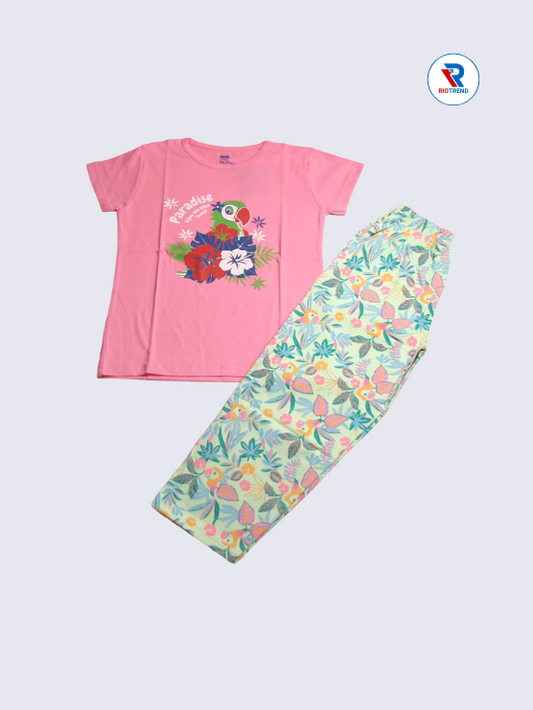
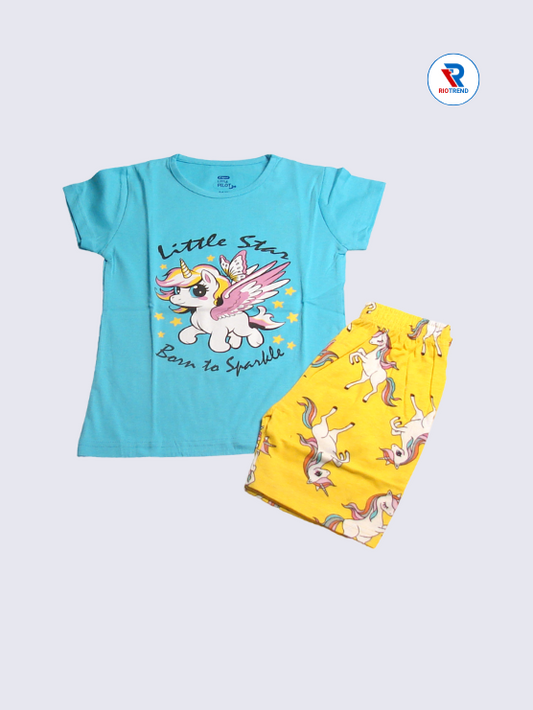
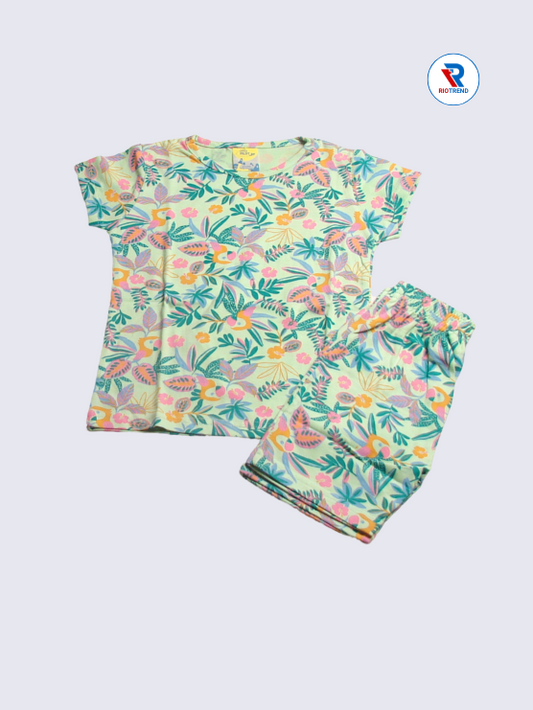
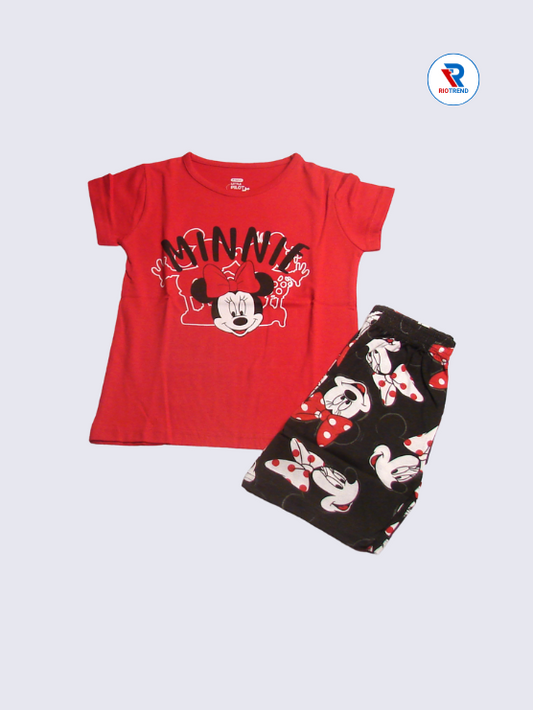
Many basic clothing items like plain t-shirts, innerwear, socks, and gym wear are white-labeled. Manufacturers produce thousands of pieces in standard sizes and quality, which different fashion retailers brand as their own. This is especially common in the athleisure and basic casual wear categories.
Health Supplements and Wellness Products
Vitamins, protein supplements, and wellness products frequently come from white label manufacturers. The same supplement formulation might be sold under various brand names at price points ranging from ₹500 to ₹2,000, with minimal actual difference in efficacy.
Why White Label Products Matter to You as a Shopper
Understanding white label products transforms you from a passive consumer into an informed buyer who makes intelligent purchasing decisions. Here's why this knowledge is valuable:
Financial Savings Without Quality Compromise
The most immediate benefit is the money you save. When you recognize that two products are essentially the same despite different price tags, you can choose the more affordable option with confidence. Over a year, this awareness could save you ₹10,000 to ₹50,000 or more, depending on your shopping habits.
Breaking Free from Brand Loyalty Traps
Marketing creates emotional connections to brands, making you believe you need specific names for quality. White label awareness helps you evaluate products objectively. You realize you're paying for advertising and brand building when the actual product quality is comparable across price points.
Access to Better Product Information
Once you start looking for white label products, you become more detail-oriented about specifications, ingredients, and materials rather than just brand names. This makes you a more informed consumer overall, better equipped to assess true value.
Supporting Local and Smaller Businesses
Many Indian manufacturers produce excellent white label products. By choosing these over international premium brands, you're often supporting local industry and getting equivalent quality at better prices. E-commerce platforms' in-house brands frequently work with Indian manufacturers, keeping money within the economy.
Reducing Unnecessary Waste
Premium branding often means excessive packaging. White label products typically have simpler, more practical packaging, reducing environmental waste while delivering the same functionality. You contribute to sustainability while saving money.
How to Identify White Label Products While Shopping Online
Becoming skilled at spotting white label products requires a detective's eye and some strategic research. Here's your toolkit for identification:
Manufacturer Information Analysis
Check product descriptions and packaging images carefully. Many platforms are required to list the manufacturer's name and address. If you notice the same manufacturer name across different brands or store labels, you've found white label products. For example, if five different "brands" of protein powder list the same Ahmedabad-based manufacturer, they're likely the same product with different labels.
Ingredient and Specification Comparison
For food, cosmetics, and supplements, compare ingredient lists between expensive branded products and cheaper alternatives. Identical ingredients in the same order (listed by quantity) often indicate the same source. Similarly, electronics with identical technical specifications (down to specific model numbers of components) frequently come from the same manufacturer.
Reviews and Product Photos
Smart shoppers leave clues in reviews. Look for comments mentioning "same as [branded product]" or photos showing similar products. If multiple buyers note similarities to premium brands, you've likely found a white label alternative. Cross-reference photos of the actual product against different listings.
Price Point Patterns
When multiple products in the same category have suspiciously similar specifications but vastly different prices, investigate further. White label products often cluster in the lower to mid-price range, while the "premium" version from the same manufacturer sits at a much higher price point.
Platform In-House Brands
E-commerce platforms' own brands are almost always white label products. These are usually marked clearly as "platform exclusive" or carry the platform's name. They offer excellent value because the platform eliminates middlemen and marketing costs, passing savings to you.
Packaging Simplicity
While not foolproof, white label products often have simpler, more straightforward packaging. If a product looks remarkably similar to a premium brand but with plainer packaging and no celebrity endorsements, it's worth investigating as a potential white label alternative.
Contact the Seller
Don't hesitate to ask questions. Contact sellers through the platform's messaging system and inquire about the manufacturer, certifications, and whether the product is made by the same company as specific branded alternatives. Reputable sellers often provide this information transparently.
Advantages of Buying White Label Products: Real Benefits for Your Wallet and Life
Embracing white label products isn't just about saving money—it's about smarter consumption that benefits you in multiple ways:
Significant Cost Savings
The math is simple and compelling. A branded moisturizer at ₹600 versus a white label equivalent at ₹200 means you save ₹400 per purchase. If you buy five such products monthly across different categories, that's ₹2,000 monthly or ₹24,000 annually. These savings compound over time, allowing you to redirect money toward experiences, investments, or other priorities.
Equal or Comparable Quality
This is the game-changer: you're not compromising quality for price. The same factories, same raw materials, and same quality control processes produce both the premium brand and the white label version. Your ₹150 face wash cleans just as effectively as the ₹450 branded one because they might literally be the same formulation.
Faster Product Trials
Lower prices mean lower risk when trying new products. Want to experiment with a new skincare routine or try a different type of protein supplement? White label products let you test without breaking the bank. If it doesn't work for you, you've only spent ₹200 instead of ₹800.
Reduced Marketing Manipulation
Premium brands spend crores on advertising, celebrity endorsements, and psychological marketing. These costs are built into product prices. White label products skip this, offering you the actual value without the inflated marketing premium. You make decisions based on what you need, not what advertisements tell you to want.
Greater Product Variety
Because white label products are more affordable, you can diversify your purchases. Instead of sticking to one expensive branded shampoo, you might try three different white label options to find what truly works best for your hair, spending less overall while getting better results through experimentation.
Supporting Value-Based Commerce
By choosing white label products, you signal to the market that consumers value substance over style, quality over hype. This encourages manufacturers and retailers to focus on actual product excellence rather than expensive marketing campaigns, ultimately benefiting all shoppers through better market practices.
Smart Shopping Tips for White Label Products
Armed with knowledge, here's how to maximize the benefits of white label shopping while protecting yourself from potential pitfalls:
Do Your Research Before Purchasing
Never buy blindly just because something is cheaper. Spend 10-15 minutes researching before your first purchase of any white label product. Read reviews across multiple platforms, check for certification marks (ISI, FSSAI, etc.), and compare specifications with known brands. Create a personal database of white label products you've verified as good quality. Once you've confirmed a product meets your standards, you can repurchase confidently.
Use comparison websites and forums where experienced shoppers discuss product quality. Indian consumer forums often have threads dedicated to finding white label alternatives to popular branded products. This crowd-sourced knowledge saves you from learning through expensive mistakes.
Start with Low-Risk Categories
Begin your white label journey with products where quality variation has minimal impact. Basic items like storage containers, phone cases, stationery, or simple cleaning supplies are excellent starting points. These help you build confidence in identifying good white label products before moving to categories where quality matters more, like skincare or supplements.
For consumables, start with small quantities. Buy one unit of a white label product to test before committing to bulk purchases. Many platforms offer small packs specifically for trial purposes. A ₹50 test purchase could save you from wasting ₹500 on a product that doesn't meet your needs.
Check for Proper Certifications and Safety Marks
This is non-negotiable, especially for food, cosmetics, and electrical products. Look for:
- FSSAI license for food products
- ISI mark for electronics and appliances
- BIS certification for relevant product categories
- Cosmetic license for beauty products
- Batch numbers and manufacturing dates that allow traceability
Reputable white label manufacturers display these prominently. Absence of proper certifications is a red flag, regardless of price. Your health and safety are worth more than any discount.
Read Return and Warranty Policies Carefully
White label products should still offer reasonable return policies and warranties. Before purchasing, verify:
- Return window (typically 7-30 days for most categories)
- Conditions for returns (unopened, used but defective, etc.)
- Warranty period for electronics or appliances
- Process for claiming warranty or returns
Platforms with strong buyer protection policies give you safety nets for white label purchases. If a seller or product listing has vague or no return policy information, reconsider the purchase.
Balance Price with Practicality
Cheaper isn't always better. Calculate the true value:
- A ₹100 product lasting 2 months costs ₹50/month
- A ₹200 product lasting 6 months costs ₹33/month
Sometimes paying slightly more for a white label product with better durability or performance offers better value than the absolute cheapest option. Look at cost-per-use rather than upfront price.
Build Relationships with Reliable Sellers
Once you find sellers or brands offering quality white label products, stick with them. Save their storefronts, subscribe to their updates, and leave honest reviews to help other shoppers. Reliable sellers value long-term customers and often provide better service, early access to new products, and loyalty discounts.
Create a Wishlist of verified white label products for future reference. When sales or discounts come around, you can purchase confidently without research paralysis, knowing these products have already passed your quality checks.
Don't Assume All White Label Products Are Identical
While many white label products share manufacturers, variations exist:
- Different quality grades from the same manufacturer
- Seasonal batch variations
- Specification tweaks based on retailer requirements
- Regional manufacturing differences
Stay alert even with proven products. Check reviews regularly for quality consistency reports. If recent reviews mention declining quality, investigate before repurchasing.
Use White Label Strategically, Not Exclusively
Some products genuinely benefit from branded options due to:
- Specialized technology or patents
- Consistent quality control across years
- Specific formulations that work for you
- After-sales service requirements
Be practical. Use white label products where they make sense (basic necessities, frequently replaced items, standardized products) while staying with trusted brands for items where specific performance or reliability is critical to you personally.
Final Thoughts
White label products represent one of the smartest ways to shop in today's consumer market. By understanding what they are—quality products from legitimate manufacturers sold under different brand names—you unlock tremendous value without sacrificing the standards you expect.
As an Indian online shopper, you now have the knowledge to identify these products, evaluate their quality, and make informed purchasing decisions that save money while meeting your needs. Remember, savvy shopping isn't about buying the cheapest option always; it's about understanding what you're really paying for and choosing accordingly.
Start small, research thoroughly, and gradually incorporate white label products into your shopping routine. The thousands of rupees you save annually can be redirected toward experiences, investments, or simply achieving your financial goals faster.
Your journey to smarter shopping begins with the next purchase you make. Will you pay for the brand name, or will you choose the value behind the label?
White Label Products FAQ's
Are white label products fake or counterfeit?
No, white label products are completely legitimate. They're manufactured by licensed companies following proper quality standards and legal regulations. Unlike counterfeit goods which illegally copy branded products, white label items are genuine products sold under different brand names with the manufacturer's full knowledge and permission.
How can I be sure a white label product is as good as branded alternatives?
Check for proper certifications (FSSAI, ISI, BIS), read verified customer reviews, compare ingredient lists or technical specifications, and start with small purchases to test quality yourself. Many platforms also provide detailed manufacturer information that you can research independently.
Do white label products have shorter shelf life or expire faster?
Not inherently. Shelf life depends on the product formulation and storage, not the brand name. Always check manufacturing and expiry dates on any product—white label or branded. Properly manufactured white label products follow the same preservation and packaging standards as their branded counterparts.
Can I return white label products if I'm not satisfied?
Yes, most reputable online platforms offer the same return policies for white label products as they do for branded items. Check the specific return policy before purchasing—it should clearly state the return window, conditions, and process. Platforms with strong buyer protection treat all products equally.
Are all store-brand or platform-exclusive products white label?
Most are, but not all. Some large retailers manufacture their own products in their own facilities, which wouldn't technically be white label. However, the vast majority of store brands and platform exclusives are indeed white label products—manufactured by third parties and sold under the retailer's brand name.
Will I compromise on safety by choosing white label products?
Not if you choose wisely. Look for mandatory safety certifications relevant to the product category. Reputable manufacturers produce both branded and white label products using the same safety standards. The certification marks (ISI, FSSAI, etc.) guarantee that products meet India's safety regulations regardless of the brand name on the packaging.